How to Evaluate Cut Loop Faux Shearling Fur Fabric Suppliers for Bulk Orders

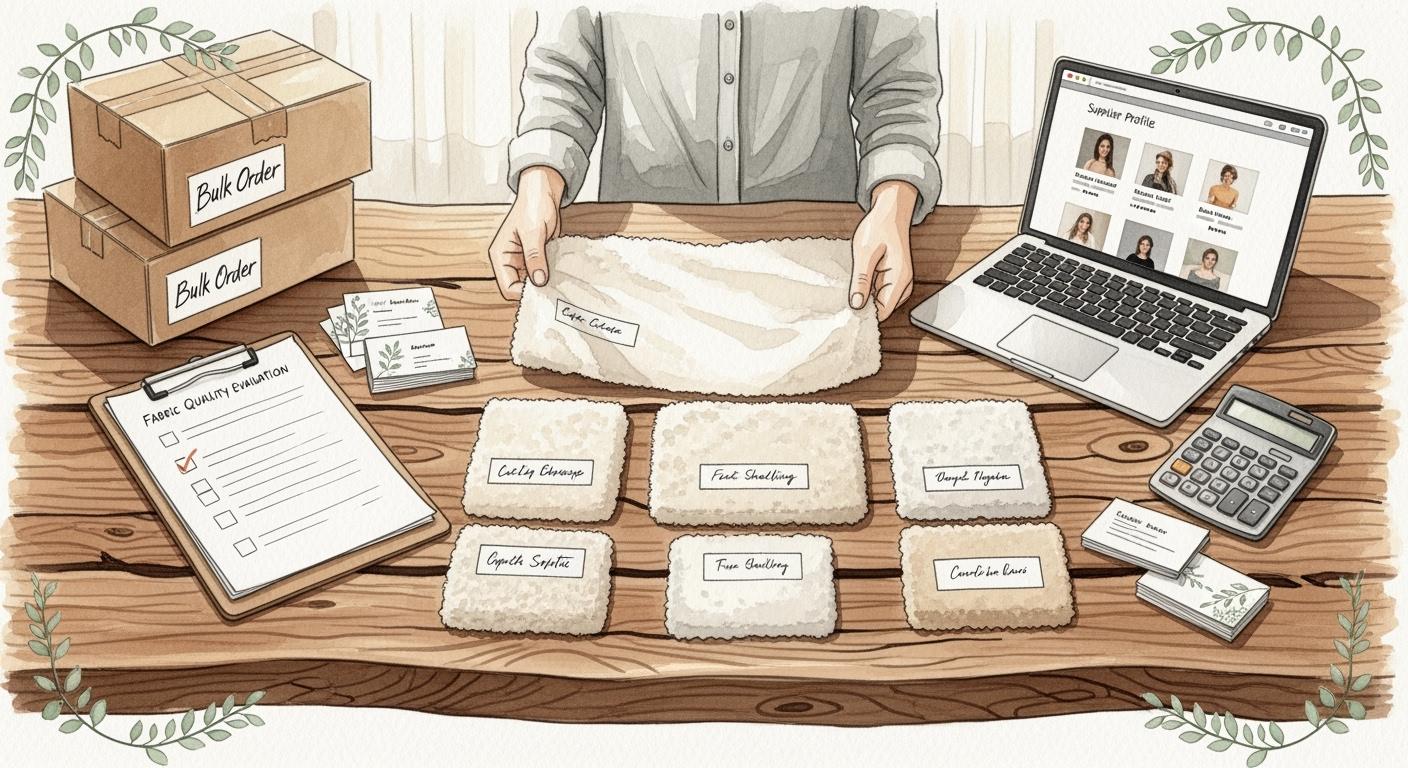
You have a tough job when you look for good suppliers for cut loop faux shearling fur in large amounts. Quality, price, and custom options are all important when you buy this material. How long it takes to get the fabric can change your work plans. Many brands now care about being eco-friendly. Suppliers are from different places across the world. You need to know the fabric’s details to pick the best one.
Key Takeaways
Always ask for samples of cut loop faux shearling fur. This helps you check quality, softness, and color before you buy a lot.
Learn about the minimum order quantities from suppliers. Try to find suppliers with flexible MOQs. This lets you test new designs without buying too much.
Ask about lead times and how much the supplier can make. Make sure they can finish your project on time and help you avoid delays.
Look for clear prices from suppliers so you do not get hidden costs. This makes it easier to plan your fabric budget.
Choose suppliers with sustainability certifications. Eco-friendly materials fit green goals and attract customers who care about the environment.
Key Factors in Supplier Evaluation
Material Quality
You should check the material quality before buying a lot. Good cut loop faux shearling fur feels soft and looks real. Strong fibers make the fabric last longer and resist damage. You can ask for samples to check color, softness, and strength. Quality control helps suppliers keep their products the same. If a supplier designs and makes samples themselves, you get custom samples fast. This makes buying easier and helps you avoid problems.
Tip: Always ask for a sample and check how soft, colorful, and strong it is.
Here is a table showing important things to look for when picking a supplier:
Criteria | Description |
|---|---|
Factory-direct pricing | Clear cost details help you plan your budget |
In-house design and sampling | Can make custom designs and samples for you |
Flexible MOQ | Lower minimum order lets you try new products |
Quality control processes | Checks to make sure products are good |
Export experience | Knows how to handle shipping and paperwork |
Pile Height and Texture
Pile height and texture change how the fabric looks and feels. You need to pick the right pile for your project. Long pile looks bold and rich. It feels like real fur but needs more cleaning because it traps dirt. Short pile feels smooth and is easy to use. It works well for everyday things and stays soft. Texture is important too. Silky finishes look fancy. Dense textures keep you warm and add shape.
Long pile gives a bold and rich look, but needs more care.
Short pile feels smooth and is easier to use.
Different textures, like silky or dense, change warmth and look.
Note: Think about where you will use the fabric. Pick pile height and texture that fit your needs.
Cost and Pricing Transparency
You want clear prices when buying cut loop faux shearling fur. Factory-direct prices help you plan your money. Good suppliers show you what you pay for materials, work, and shipping. Clear prices help you avoid hidden costs. You can compare prices from different suppliers and choose the best one for your business.
Minimum Order Quantities
Minimum order quantity (MOQ) tells you how much fabric you must buy. Some suppliers want big orders, but others let you buy less. If you start a new product, you may want a lower MOQ. This lets you test the market without spending too much. For example, Globe Hosiery Mills has a MOQ of 1000 Kg. You should ask each supplier about their MOQ before you buy.
Supplier | Minimum Order Quantity |
|---|---|
Globe Hosiery Mills | 1000 Kg |
Tip: Find suppliers with flexible MOQ if you want to try new designs or smaller batches.
Lead Times and Capacity
Lead time means how long it takes to get your order. You need to know if the supplier can meet your deadlines. Some suppliers can handle big orders fast. Others may need more time. Ask about production and delivery dates. If you plan ahead, you can avoid delays and keep your project on track. Export experience helps suppliers ship orders smoothly and handle paperwork.
Note: Always check lead times and capacity before buying a lot. This helps you plan and avoid delays.
Cut Loop Faux Shearling Fur Specifications
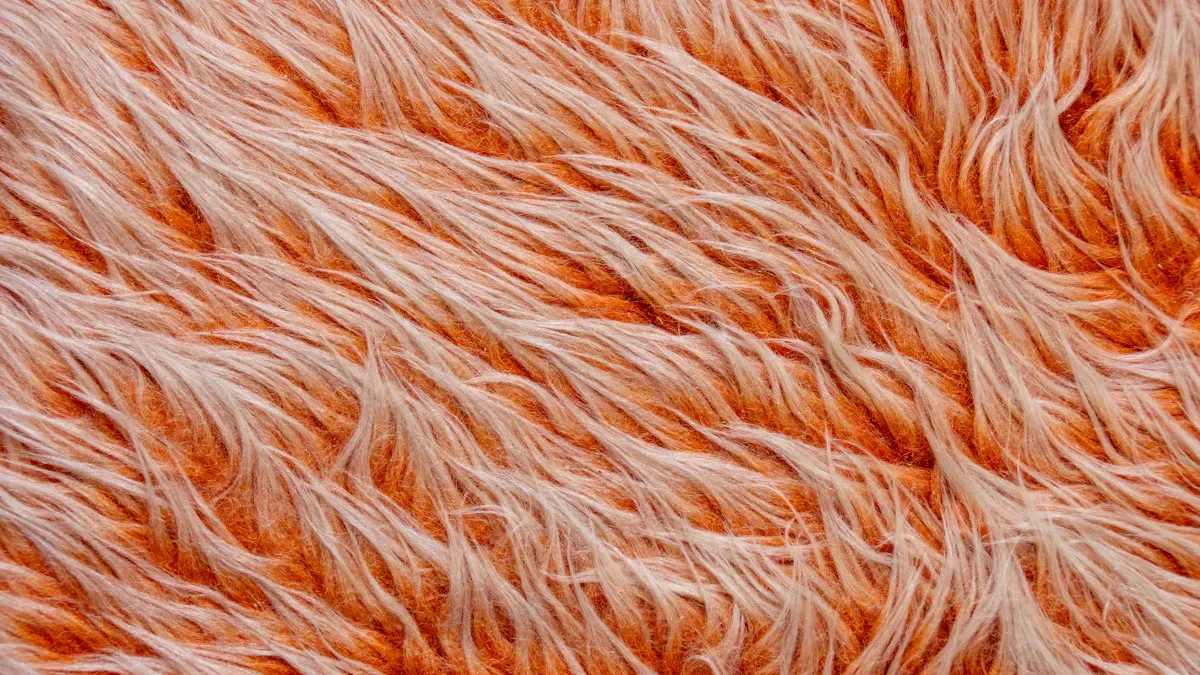
Material Composition
You need to know what goes into cut loop faux shearling fur. Most suppliers use polyester or acrylic fibers. These fibers give the fabric a soft touch and make it last longer. Some suppliers mix in cotton or recycled materials. This can make the fabric more eco-friendly. Always ask your supplier for a breakdown of the materials. You can use this information to check if the fabric meets your needs.
Tip: Request a material data sheet from your supplier. This sheet shows the fiber types and their percentages.
Innovation in Faux Shearling
You will see many new ideas in the world of faux shearling. Some suppliers use advanced dyeing methods. These methods create bright colors that do not fade. Others add special finishes to make the fabric water-resistant or extra soft. Some companies use recycled plastic bottles to make new fibers. This helps the planet and gives you more choices. You should ask suppliers about their latest products and technology.
Here are some innovations you might find:
Eco-friendly fibers from recycled materials
Water-repellent finishes
High-definition printing for custom patterns
Comparing Real vs. Faux Shearling
You may wonder how cut loop faux shearling fur compares to real shearling. Real shearling comes from sheep. It feels warm and natural but costs more. Faux shearling uses man-made fibers. It gives you a soft feel and looks like real fur. Faux shearling is easier to clean and does not use animal products. You can choose from many colors and textures. This makes it a good choice for many projects.
Feature | Real Shearling | Faux Shearling |
|---|---|---|
Animal-Free | No | Yes |
Easy to Clean | No | Yes |
Custom Colors | Few | Many |
Cost | High | Lower |
Note: Faux shearling gives you more options and helps you meet animal-free product goals.
Global Sourcing Regions
Asia and Türkiye
There are many suppliers in Asia and Türkiye. These places have big textile industries. Factories in China, South Korea, and Türkiye make a lot of faux shearling. Prices are often lower because they work very efficiently. Many brands buy in bulk from these regions.
If you want to buy from Asia or Türkiye, check if the supplier has shipped overseas before. Ask them about their export experience. Good suppliers can show you old shipping papers. You should also ask for samples to see if the quality is good before you buy a lot.
Tip: Try video calls to look at the factory and ask questions. This helps you trust your supplier more.
EU and North America
You might want to buy cut loop faux shearling fur from the EU or North America. Suppliers here care a lot about quality and follow strict rules. Many factories use new machines and eco-friendly materials. The price may be higher, but you get better quality checks and faster shipping if you are close.
If you need special designs or small orders, EU and North American suppliers can help. They often let you order less fabric. You can visit the factories more easily if you live nearby. This lets you see how they make the fabric.
EU and North America give you:
High-quality materials
Strong quality checks
Easier talking with suppliers
When you look at different regions, think about what you need most. Each place is good for different reasons like price, quality, or speed.
Customization and Communication
Custom Design Options
You want your fabric to match your vision. Custom design options help you stand out when designing the perfect coat. Many suppliers offer choices like color, pile height, and texture. You can ask for special finishes or patterns. Some suppliers let you send your own design ideas. They can create samples based on your requests.
Here are steps to check a supplier’s custom abilities:
Share your design sketches or mood boards.
Ask for a sample with your custom features.
Review the sample for color, softness, and pile height.
Request a quote for your custom order.
Tip: Always ask for a physical sample before placing a bulk order. This helps you see the real quality and fit for your project.
A supplier who can handle custom requests makes designing the perfect coat easier. You get more control over the final product.
Supplier Responsiveness
Good communication helps you avoid mistakes. You need a supplier who answers your questions quickly and clearly. Fast replies show that the supplier cares about your needs. You can test responsiveness by sending emails or messages. Notice how long it takes to get a reply.
Use this table to track supplier communication:
Supplier Name | Response Time | Sample Quality | Custom Order Support |
|---|---|---|---|
Supplier A | 1 day | Good | Yes |
Supplier B | 3 days | Fair | No |
Note: Choose suppliers who respond fast and give clear answers. This helps you solve problems and keep your project on track.
You build trust with suppliers through good communication. You get updates about your order and can fix issues early.
Quality Control and Compliance
Inspection Processes
You want your cut loop faux shearling fur to be good quality. Inspection steps help you check the fabric before you buy a lot. Many suppliers use more than one step to check their products. They look at color, softness, pile height, and any problems. You can ask your supplier how they check the fabric.
Here are some common inspection steps:
Look at the color and texture to see if they match.
Feel the fabric to check softness and pile height.
Measure how thick and heavy the fabric is.
Check for problems like holes or uneven pile.
You can ask for a report that shows the results for each batch. This report helps you know what you are getting. If you want to be extra sure, you can hire someone else to check. This person can go to the factory and send you pictures or videos.
Tip: Always ask for reports and photos before your order ships. This helps you know what you will get.
Certifications and Standards
Certifications show that a supplier follows important rules. You should find suppliers with well-known certificates. These papers prove the fabric is safe and good quality. Some also show the fabric uses eco-friendly materials.
Here is a table of common certifications:
Certification | What It Means |
|---|---|
OEKO-TEX® | Fabric does not have bad chemicals |
ISO 9001 | Supplier has strong quality checks |
GRS (Global Recycled Standard) | Fabric uses recycled materials |
REACH | Follows EU safety rules |
You can ask your supplier for copies of their certificates. Check the dates to make sure they are still good. If you want to sell in some places, you may need special certificates.
Note: Certifications help you trust your supplier. They show your customers that your products are safe and high quality.
Sustainable Sourcing Practices
Eco-Friendly Materials
You should pick eco-friendly materials for cut loop faux shearling fur. These materials help you reach your green goals. Many suppliers now have fabrics made from recycled fibers. Some use less water and energy to make their fabrics. Eco-friendly materials often come from places that care for nature. You can find fabrics made with recycled polyester or organic cotton. These choices help you cut down on waste and support green production.
Eco-friendly materials let you make products that fit your values. You can ask suppliers about their green fabric choices. Many will show you samples of these fabrics. You can feel how soft and strong they are. Using these fabrics helps you meet what customers want. You can build a brand that stands for green choices.
Tip: Ask each supplier for a list of their eco-friendly materials. This helps you compare their green options.
Supplier Sustainability Certifications
You need to check if suppliers have sustainability certifications. These papers show the supplier uses green practices. Look for certifications like GRS or OEKO-TEX. These prove the supplier uses eco-friendly materials and fabrics. Ask for copies of these certificates. Check the dates to make sure they are still good.
You can check a supplier’s green claims by asking for reports. You can visit their factory or ask for photos. Talk to the supplier about their green goals. Ask how they use eco-friendly materials and fabrics. Check if they recycle waste and save energy. Use a table to compare supplier certifications.
Supplier Name | Sustainability Certifications | Eco-Friendly Materials | Sustainable Fabrics |
|---|---|---|---|
Supplier X | GRS, OEKO-TEX | Yes | Yes |
Supplier Y | ISO 14001 | Yes | Yes |
Note: Always check for supplier certifications and green materials. You can trust suppliers who show proof of green practices.
Supplier Comparison Checklist
You need a simple checklist to compare suppliers for coat manufacturing. This helps you make smart choices and avoid mistakes. Use this checklist when you talk to suppliers or look at their offers.
Checklist for Supplier Evaluation:
Material Quality:
Check if the supplier has soft and strong faux shearling. Ask for samples that fit your coat manufacturing needs.Pile Height and Texture:
Look at the pile height and texture choices. Make sure the supplier can give you the right look and feel for coat manufacturing.Cost and Pricing Transparency:
Look for clear prices. Ask for details about material, labor, and shipping costs. This helps you plan your coat manufacturing budget.Minimum Order Quantities (MOQ):
Make sure the MOQ matches your coat manufacturing goals. Flexible MOQ lets you try new designs or order smaller batches.Lead Times and Capacity:
Ask about how fast they make and deliver products. Make sure the supplier can keep up with your coat manufacturing schedule.Customization Options:
Check if the supplier can make custom colors, pile heights, and textures. Customization is important for special coat manufacturing projects.Supplier Responsiveness:
Notice how fast the supplier answers your questions. Good communication keeps your coat manufacturing process easy.Quality Control and Compliance:
Ask for inspection reports and certifications. These show the supplier meets coat manufacturing standards.Sustainable Practices:
Ask for eco-friendly materials and sustainability certifications. Green options help you make responsible coat manufacturing choices.
Tip: Use a table to compare suppliers side by side. This makes your coat manufacturing decision easier.
Supplier Name | Material Quality | MOQ | Lead Time | Customization | Certifications | Sustainability |
|---|---|---|---|---|---|---|
Supplier 1 | Excellent | Low | Fast | Yes | OEKO-TEX | GRS |
Supplier 2 | Good | High | Medium | No | ISO 9001 | ISO 14001 |
You can print this checklist or save it on your computer. Use it every time you check a new supplier for coat manufacturing. This keeps your process neat and helps you find the best partner.
You can pick the best cut loop faux shearling fur supplier if you follow easy steps. Use your checklist to look at material quality, price, and custom choices. Contact suppliers in Asia, Türkiye, the EU, or North America. Ask for samples with details before you buy a lot. Think about quality, cost, custom options, and green choices to make good decisions.
Tip: Keep your checklist close. It helps you stay neat and sure when picking a supplier.
FAQ
How do you check the quality of faux shearling fur before buying in bulk?
You should always ask for samples. Feel the fabric, check the color, and pull the fibers gently. Good quality feels soft and strong. You can also request inspection reports from the supplier.
What is the best way to compare prices from different suppliers?
Make a table with each supplier’s price, minimum order, and shipping cost. This helps you see which supplier gives you the best value for your needs.
Can you request custom colors or patterns for your order?
Yes, most suppliers offer custom options. You can send your design ideas or color samples. Always ask for a physical sample before placing a large order.
Why do sustainability certifications matter when choosing a supplier?
Certifications like OEKO-TEX® or GRS show that the supplier uses safe and eco-friendly materials. These help you meet customer demand for green products and build trust in your brand.
See Also
Selecting The Ideal 100 Percent Polyester Faux Sherpa Fabric
Important Considerations When Choosing Jacquard Faux Sherpa Fabric
Three Easy Tips For Selecting Soft Faux Fox Fur
