Faux Fur or Sherpa Choosing the Best Fabric for Your Needs

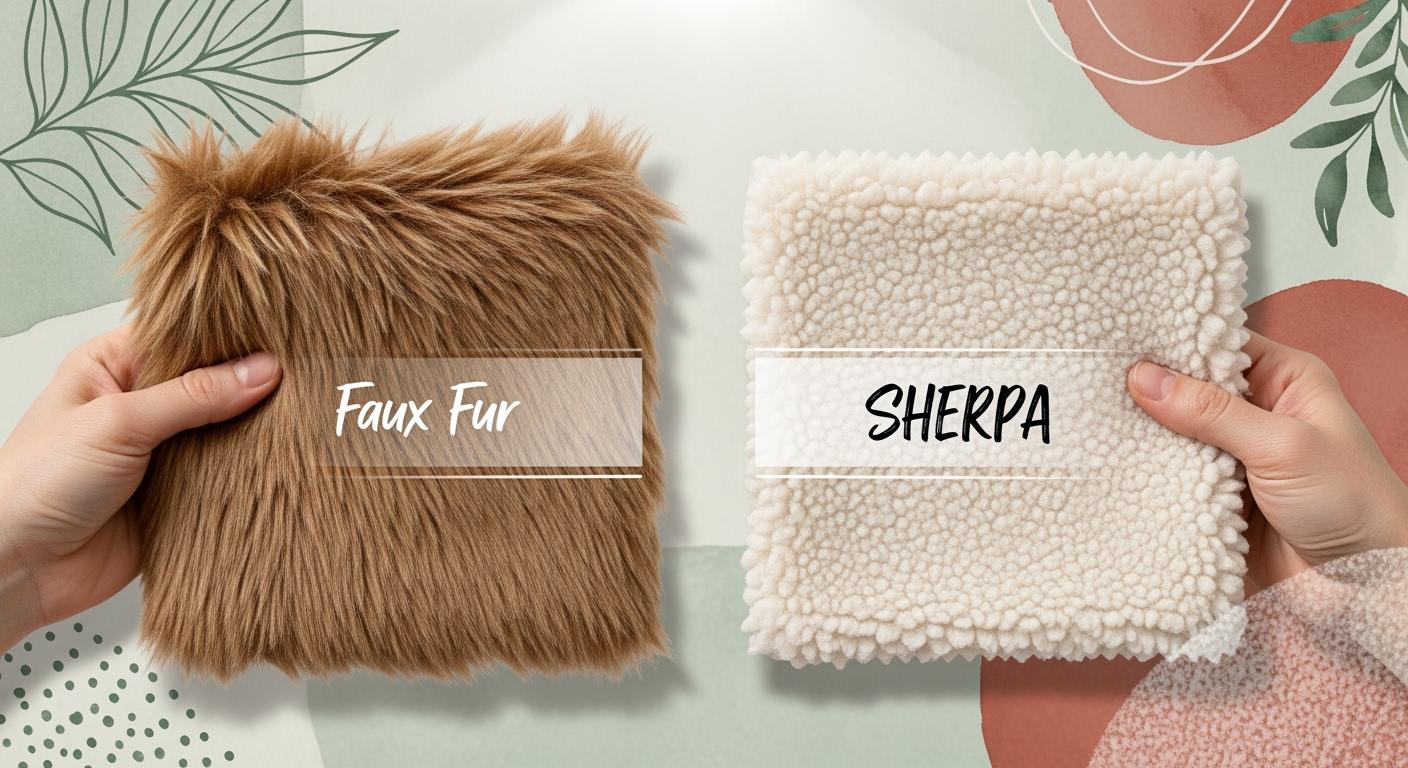
You need to choose the best fabric for you. Faux fur looks fancy and feels soft and thick. Sherpa feels warm and has a curly, soft touch. Many people like faux fur because it feels rich and is animal-friendly. Sherpa is liked for keeping you warm and looking relaxed. Check how thick and strong the fabric is to see how warm it will be. Faux Sherpa fur is used in cool jackets and home decorations. Think about how the fabric lets air through, how it looks, and how easy it is to wash. Sherpa makes blankets and jackets feel warm and nice.
Faux fur styles like faux fox and faux rabbit are popular in fancy clothes.
Sherpa’s looped texture is common in comfy home items and casual clothes.
Key Takeaways
Faux fur feels soft and fancy. It is great for cold days. People like it for stylish coats and jackets. Sherpa is light and lets air pass through. It keeps you warm but is not heavy. This makes it good for daily clothes. Both fabrics are simple to take care of. Sherpa can go in the washing machine. Faux fur needs gentle care by hand. Think about what style and comfort you want. This helps you pick between faux fur and sherpa for clothes or home use. You can mix these fabrics together. This helps you make cozy and cool outfits or rooms that fit your life.
What Is Faux Sherpa Fur?
Faux Fur: Texture & Feel
You see faux sherpa fur in many jackets and blankets. This fabric copies the look of real shearling. Faux fur uses synthetic fibers like polyester. Factories make these fibers into a long, fluffy pile. The pile stands up from the base and gives you a plush feel. Faux sherpa fur feels thick and soft when you touch it. You notice the texture right away. It looks like animal fur but does not use any animal products.
Faux shearling is another name for faux sherpa fur. You find faux shearling in coats, boots, and hats. People like faux shearling because it gives warmth and style. Faux shearling often looks like shearling sheepskin. You get the look of real shearling without the cost or animal use. Faux shearling can come in many colors and lengths. You can pick the style you like best.
Tip: If you want a dramatic look, choose faux sherpa fur with a longer pile. This gives you a bold style and extra warmth.
Sherpa: Texture & Feel
Sherpa fleece is different from faux sherpa fur. You feel the difference when you touch it. Sherpa fleece has a curly, wool-like texture. It feels soft and cozy. Factories make sherpa fleece from polyester. They twist the fibers to make small loops. These loops give sherpa fleece its special look and softness.
Sherpa copies the look of shearling sheepskin. You see sherpa in blankets, hoodies, and linings. Sherpa feels lighter than faux sherpa fur. It lets air move through, so you stay warm but not too hot. Sherpa fleece is easy to wash and care for. You can use it every day.
Faux shearling and sherpa both copy real shearling. Faux shearling has a longer pile. Sherpa fleece has a curly, short pile. You can choose faux sherpa fur for a thick, plush feel. You can pick sherpa fleece for a lighter, airy touch.
Note: If you want something easy to care for, sherpa fleece is a good choice. It keeps its shape and softness after many washes.
Texture & Look
Visual Differences
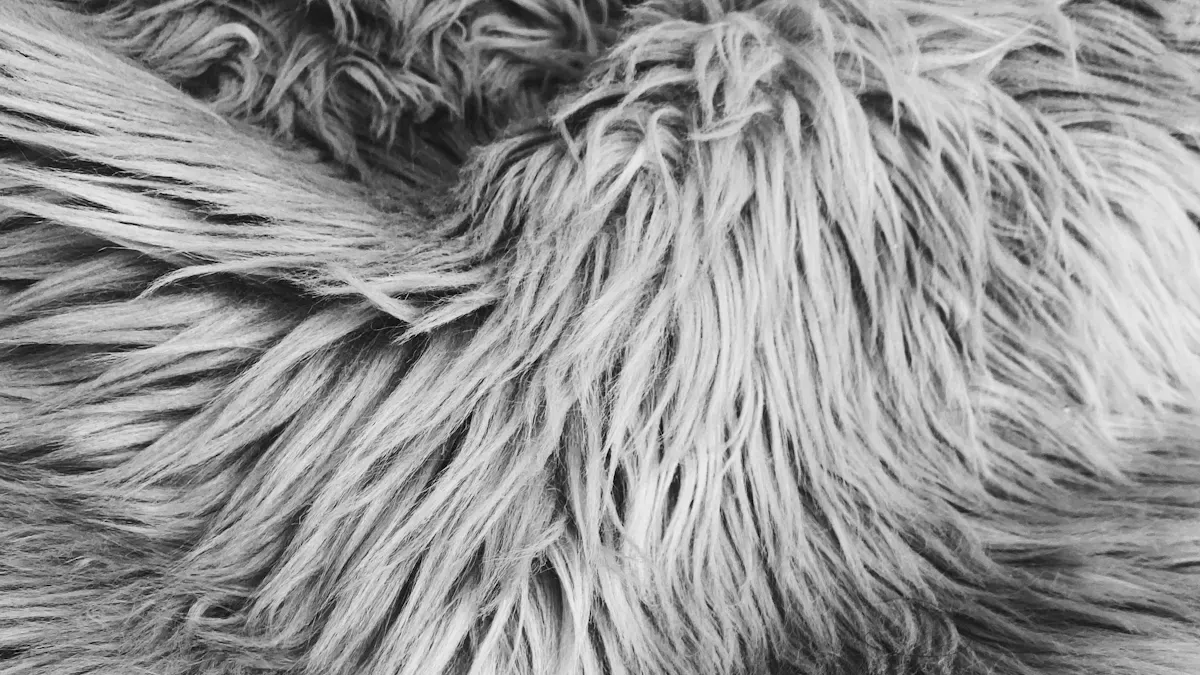
You notice the difference between faux fur and sherpa right away. Faux fur looks smooth and shiny. It copies the look of real animal fur. You see it in jackets, coats, and even pillows. Faux fur gives you a rich and fancy style. Sherpa looks soft and fluffy. It has a curly surface that feels cozy. You often find sherpa in blankets, hoodies, and linings. Sherpa gives you a relaxed and warm look.
Designers use both fabrics in new ways. Faux fur stands out for its luxurious and sophisticated appearance. It often comes in softer tones and refined designs. Sherpa focuses on comfort. It has a distinct, textured look that makes you feel at home.
Here is a quick comparison:
Material | Visual Appeal | Characteristics |
|---|---|---|
Faux Fur | Luxurious and sophisticated | Resembles real animal fur, softer tones, refined designs |
Sherpa | Warm and plush | Comfort-focused, distinct textured appearance |
Color and pattern choices also set these fabrics apart. Faux fur often features bold animal prints like leopard or zebra. You also find it in calming pastels and deep jewel tones. Sherpa usually comes in earth-toned palettes, such as oatmeal or sage green. These colors give sherpa a modern and calming look.
Tactile Experience
When you touch faux fur, you feel a thick, plush surface. The long pile feels smooth and silky under your hand. You might run your fingers through it and notice how soft it feels. Faux fur gives you a sense of luxury.
Sherpa feels different. The surface is curly and bouncy. You press your hand into sherpa and feel the loops spring back. Sherpa feels light and airy. It keeps you warm without feeling heavy. You might like sherpa if you want something soft and easy to snuggle with.
Tip: If you want a fabric that feels rich and smooth, choose faux fur. If you want something soft and springy, sherpa is a great pick.
Warmth & Comfort
Insulation & Thickness
When you look for the best fabric for cold-weather, you want something that keeps you warm. Faux fur stands out as the ultimate insulator. The thick pile traps heat and blocks out wind. You feel the difference when you wear faux fur jackets in winter. The dense fibers give you strong insulation. This makes faux fur a high-performance alternative to real shearling. You can count on faux fur to keep you cozy during snow days or chilly nights.
Sherpa also insulates against the cold, but in a lighter way. You find sherpa in many jackets and hoodies. The curly texture holds warmth close to your body. Sherpa works well as a lining. It adds warmth without making your jacket heavy. You can move easily and still stay warm. Sherpa jackets are great for layering in cold-weather. They give you the warmth factor you need for everyday wear.
Faux fur is heavier and provides greater insulation due to its dense pile, making it ideal for winter apparel in cold climates.
Sherpa is lighter yet still warm, often used as a lining in jackets and hoodies to retain body heat without adding bulk.
The backing material also matters. A strong backing helps the fabric insulate against the cold. You should check the thickness and quality of the backing when you shop for jackets. This helps you pick the right level of warmth for your needs.
Breathability of Sherpa
Sherpa gives you a special advantage. It lets air move through the fabric. You stay warm, but you do not get too hot. This breathability makes sherpa a smart choice for active days. You can wear sherpa jackets while walking, hiking, or playing outside. The fabric keeps you comfortable by balancing warmth and airflow.
Sherpa copies the look of shearling, but it feels lighter. You notice the difference when you compare it to faux fur. Sherpa works well for people who want warmth without feeling weighed down. You can wear sherpa in many types of weather. It insulates against the cold, but you do not overheat. This makes sherpa a favorite for kids and adults who like to stay active.
Comfort in Everyday Use
You want your jackets and blankets to feel good every day. Both faux fur and sherpa pass the cuddle test. They feel soft and cozy when you touch them. You can use these fabrics for jackets, hoodies, and home items. They make your space feel warm and inviting.
Faux fur gives you a plush, luxurious feel. You might choose faux fur for special jackets or accent pieces. Sherpa feels springy and light. You can use sherpa for everyday jackets, blankets, and even slippers. Both fabrics offer comfort, but sherpa stands out for easy care and breathability.
Faux fur and sherpa fabrics are noted for their exceptional visual and tactile warmth, making them particularly comfortable for everyday wear in cozy settings. However, they are recommended to be used as accent pieces rather than as the main upholstery due to their high-pile nature, which can require additional storage space during off-seasons.
Shearling-inspired fabrics like faux fur and sherpa give you many choices. You can pick the one that matches your style and comfort needs. If you want the best cold-weather performance, look for jackets with thick faux fur or sherpa linings. These fabrics insulate against the cold and help you stay warm all season.
Tip: For the best warmth and comfort, layer your jackets with sherpa or faux fur linings. This helps you adjust to changing weather and keeps you cozy all day.
Maintenance & Durability
Cleaning & Care
You want your fabrics to look good and last long. When you choose between faux fur and sherpa, you should know how to clean each one. Shearling fabrics, whether faux or real, need special care. You can wash most sherpa items in a washing machine. Use cold water and a gentle cycle. This keeps the fibers soft and fluffy. Always check the label before washing. Some shearling jackets or blankets may need hand washing.
Faux fur shearling often needs more attention. You should avoid high heat and strong detergents. If you want to keep your faux fur shearling soft, shake it out after washing. Let it air dry. Never use a hot dryer. This can damage the pile and backing. For small stains, spot clean your shearling with a damp cloth. This helps you keep the fabric looking fresh.
Tip: Brush your shearling with a soft brush after drying. This keeps the fibers from matting and helps the fabric stay fluffy.
Longevity
You want your shearling items to last for years. Sherpa and faux fur shearling both offer good durability. Sherpa holds up well to regular washing. The fibers bounce back and keep their shape. You can use sherpa blankets and jackets every day. Faux fur shearling is strong, but you need to care for it. If you store your shearling in a cool, dry place, it will last longer.
Here is a quick table to help you see the difference:
Fabric Type | Durability Level | Care Needed |
|---|---|---|
Sherpa | High | Easy, machine wash |
Faux Fur Shearling | Medium-High | Gentle, air dry |
Shearling fabrics resist pilling and wear if you follow care tips. You should avoid rough surfaces and sharp objects. This keeps your shearling looking new. If you want a fabric that lasts, choose sherpa for easy care or faux fur shearling for a plush look.
Note: Store your shearling in a breathable bag during warm months. This protects it from dust and keeps it ready for next season.
Cost & Value
Price Range
You might notice a difference in price when you shop for faux fur and sherpa products. Faux fur usually costs more than sherpa. Factories use special machines and extra steps to make faux fur look and feel like real animal fur. This process makes faux fur more expensive. Sherpa, on the other hand, is easier to produce and is found in many stores at lower prices.
Here is a quick look at the typical price range for each fabric:
Fabric Type | Price Range | Reason for Price |
|---|---|---|
Faux Fur | Higher | Complex construction and high-end look |
Sherpa | Lower | More affordable and widely available |
You can find faux fur in high-end jackets, designer pillows, and luxury throws. Sherpa often appears in budget-friendly blankets, hoodies, and home accessories. If you want a dramatic style or a plush feel, you may pay more for faux fur. If you want warmth and comfort at a lower price, sherpa is a smart choice.
Value for Money
When you decide which fabric to buy, you should think about more than just the price tag. Many shoppers look at how long the fabric will last and how good it feels. You want to get the best value for your money. Here are some things to consider:
You compare the initial price with the quality and how long the fabric will last.
High-quality materials can cost more, but they often last longer and feel better.
Most people want products that are soft, comfortable, and stylish without spending too much.
You should check the stitching, thickness, and softness before you buy. Faux fur may cost more, but it can give you a rich look and last for years if you care for it. Sherpa gives you comfort and warmth at a lower price, making it a great value for everyday use.
Tip: Always balance your budget with your needs for style, comfort, and durability. This helps you choose the best fabric for your money.
Best Uses for Sherpa & Faux Fur
Clothing & Accessories
You see sherpa and faux fur in many types of clothing and accessories. These fabrics help you stay warm and look stylish during colder months. Sherpa is popular because it feels soft and insulates well. You often find sherpa in jackets and coats, especially as a lining that mimics the look of shearling. Many people choose sherpa-lined outerwear for extra warmth. You can layer sherpa jackets over sweaters and jeans to create a cozy style. Sherpa also appears in boots, giving your feet added comfort and warmth.
Faux fur stands out in outerwear for its plush texture and dramatic look. You find faux fur in coats, vests, and hats. Designers use faux fur to make statement pieces that resemble real shearling. Faux fur jackets give you a rich appearance without using animal products. You can wear faux fur scarves and gloves to add a touch of luxury to your outfit.
Shearling-inspired fabrics are versatile. You see them in full garments, not just linings. Sherpa hoodies and faux fur vests are trendy choices for casual wear. Many brands offer outerwear with both sherpa and faux fur, so you can pick the style and warmth you need. You can mix and match these fabrics to create your own look.
Tip: Try layering sherpa jackets or faux fur coats over your favorite clothes. This helps you stay warm and look fashionable in winter.
Here is a quick list of popular uses for these fabrics in clothing and accessories:
Sherpa jackets and coats, often lined for warmth
Sherpa-lined boots for extra comfort
Faux fur coats and vests for a dramatic style
Faux fur hats, scarves, and gloves
Shearling-inspired hoodies and full garments
Outerwear with both sherpa and faux fur elements
Home Decor Trends 2026
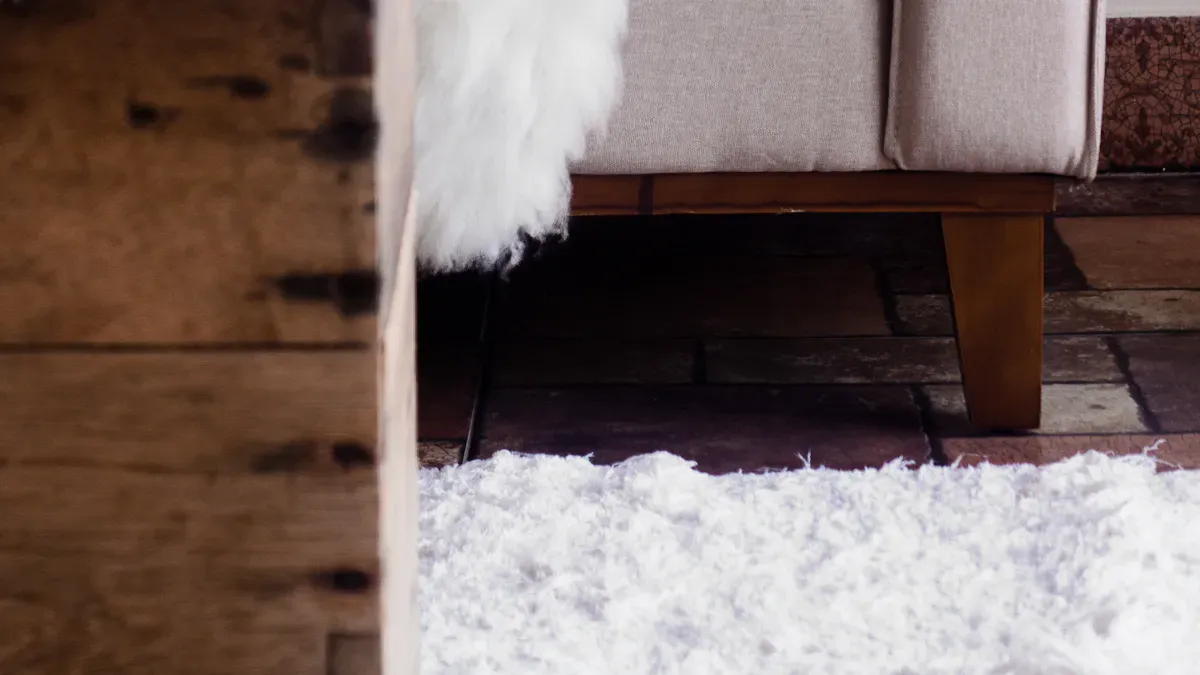
You can use sherpa and faux fur to make your home feel cozy and stylish. Faux fur creates a luxurious and dramatic look. You often see faux fur in throw blankets, decorative pillows, and area rugs. These items help you build elegant spaces, especially during winter or holidays. Faux fur adds a soft touch to your living room or bedroom.
Sherpa brings a warm, rustic charm to interiors. You find sherpa in throw blankets, pillow covers, and mattress toppers. Sherpa feels lightweight and fuzzy, making it perfect for snuggling on cold nights. Many people use sherpa to add comfort to their homes. You can place sherpa blankets on your sofa or bed to create a welcoming atmosphere.
Consumer feedback shows that both fabrics perform well in home decor. Faux fur stands out for its rich appearance, while sherpa is valued for its softness and warmth. You can mix these fabrics to get the best of both worlds.
The trend for 2026 shows that faux fur is becoming more popular in home decor. You see faux fur in rugs, throws, cushions, and upholstery. Many people want comfortable and cruelty-free alternatives. This drives the market for faux fur and shearling-inspired fabrics. Sherpa also remains a favorite for adding warmth and texture to homes. You can expect to see more outerwear-inspired designs in home accessories.
Note: If you want your home to feel modern and cozy, try adding faux fur or sherpa items. These fabrics help you create spaces that feel both stylish and comfortable.
Here is a table showing common uses for these fabrics in home decor:
Fabric | Common Uses | Style Impact |
|---|---|---|
Faux Fur | Throw blankets, pillows, rugs, upholstery | Luxurious, dramatic |
Sherpa | Blankets, pillow covers, mattress toppers | Warm, rustic, cozy |
Shearling | Accent pieces, mixed with faux fur or sherpa | Versatile, textured |
You can choose sherpa or faux fur based on your style and comfort needs. Shearling-inspired fabrics give you many options for clothing, accessories, and home decor.
Sherpa vs Fleece
Key Differences
You might wonder about the main differences between sherpa and fleece. Both fabrics keep you warm, but they feel and look different. Sherpa has a thick, fluffy pile that traps heat well. You feel plush comfort when you touch it. Fleece feels soft and smooth, but it is lighter than sherpa. Many people use fleece for sportswear and light jackets because it is easy to move in.
Here is a quick table to help you compare:
Material | Warmth | Comfort |
|---|---|---|
Sherpa | High | Plush |
Fleece | Moderate | Soft |
Sherpa works best for cold weather. Its thick texture keeps you cozy in harsh conditions. Fleece gives you moderate warmth and feels soft against your skin. You can wear fleece in many seasons, not just winter.
You also see differences in how these fabrics look. Sherpa copies the look of real wool with its curly surface. Fleece has a flat, even finish. Both fabrics use synthetic fibers, but sherpa feels heavier and richer.
Tip: If you want maximum warmth and a premium feel, sherpa is a great choice. For lighter weight and easy care, fleece stands out.
When to Choose Each
You choose sherpa or fleece based on your needs. Sherpa is perfect for winter coats, blankets, and heavy linings. You want sherpa when you need maximum coziness and comfort. Many people pick sherpa for gifts because it feels rich and special.
Fleece works well for sportswear, light jackets, and home clothes. You can wear fleece every day. It is portable and affordable. Fleece dries quickly and is easy to wash, so it fits busy lifestyles.
Here is a table to guide your choice:
Material | Preferred Use Cases | Ideal Conditions |
|---|---|---|
Sherpa | Winter coats, blankets, heavy linings | Cold weather, maximum coziness |
Fleece | Sportswear, light jackets, home clothes | Everyday use, all seasons |
Sherpa is best for comfort and a premium feel.
Fleece is best for versatility and budget-friendly options.
When you compare sherpa vs fleece, think about your climate, style, and how you plan to use the fabric. You can enjoy both fabrics in your wardrobe and home.
Quick Decision Guide
Comparison Table
You want to choose the right fabric for your needs. This table helps you compare the main features of faux fur, sherpa, and fleece. Look at each row to see which fabric matches your priorities.
Feature | Faux Fur | Sherpa | Fleece |
|---|---|---|---|
Warmth | Very high, thick insulation | Warm, good for layering | Moderate, lighter warmth |
Breathability | Low | Moderate to low | High |
Weight | Heavy, best for cold climates | Lightweight, easy to layer | Very light, easy to wear |
Softness | Luxurious, plush feel | Cozy, curly texture | Smooth, soft surface |
Care and Maintenance | Needs gentle care, air dry | Easy to wash, keeps shape | Machine washable, easy care |
Best Uses | Coats, vests, home decor | Jackets, blankets, hoodies | Sportswear, light jackets |
Eco-Friendliness | Often made from recycled fibers | New eco-friendly options | Many recycled options |
Tip: Use this table to match your needs with the right fabric. For extra warmth, pick faux fur. For easy care and comfort, choose sherpa or fleece.
Choosing for Your Needs
You can use a simple checklist to help you decide:
Do you need maximum warmth for winter? Faux fur gives you the thickest insulation.
Do you want a fabric that feels cozy and is easy to wash? Sherpa works well for daily use.
Do you need something light and breathable? Fleece is a good choice for active days.
Are you looking for a soft, plush feel? Faux fur and sherpa both offer comfort, but sherpa feels lighter.
Do you want to layer your clothes? Sherpa and fleece are easy to layer.
Sherpa blankets and jackets feel soft and keep you warm indoors. Faux fur gives you a dramatic look for coats and home decor. Fleece works best for sportswear and light jackets. You can mix these fabrics in your wardrobe and home for the best comfort and style.
Note: Always check the care label before washing. This helps your sherpa, faux fur, or fleece last longer.
You can choose between faux fur, sherpa, or fleece by thinking about your needs. Sherpa feels cozy and works well for winter clothing, blankets, and mass-market products. Faux fur gives you a bold style and keeps you warm in cold weather. Fleece is light and easy to wear every day. Look at this table to compare:
Feature | Faux Fur | Sherpa | Fleece |
|---|---|---|---|
Climate Suitability | Cold winter months | Transitional seasons | All seasons |
Style | Luxurious, bold | Cozy, rustic | Sporty, casual |
Maintenance | Gentle care needed | Easy to clean | Machine washable |
Sherpa is best for warmth and easy care.
Faux fur stands out for style and heat retention.
Fleece is great for layering and daily use.
Tip: Think about your climate, style, and how much care you want to give your fabric. Sherpa and fleece both offer comfort, while faux fur adds drama to your look.
FAQ
What makes sherpa different from regular fleece?
You notice sherpa has a curly, wool-like texture. Regular fleece feels smooth and flat. Sherpa gives you more warmth and a plush feel. You often see sherpa in jackets and blankets for extra comfort.
Can you wash sherpa in a washing machine?
You can wash most sherpa items in a washing machine. Use cold water and a gentle cycle. Always check the care label first. Air drying helps keep sherpa soft and fluffy.
Is sherpa good for people with allergies?
Sherpa uses synthetic fibers, so it does not trap dust or pet hair easily. You can clean sherpa often. Many people with allergies choose sherpa for blankets and jackets.
Does sherpa keep you warm in very cold weather?
Sherpa holds heat well. You stay warm when you wear sherpa jackets or use sherpa blankets. For extreme cold, layer sherpa with other fabrics for the best insulation.
How do you keep sherpa from matting?
You can shake out sherpa after washing. Use a soft brush to fluff the fibers. Store sherpa in a cool, dry place. This keeps your sherpa looking new and feeling soft.
Tip: Regular care helps your sherpa last longer and stay comfortable.
See Also
Finding The Perfect High Pile Faux Fox Fur For You
Three Easy Tips For Choosing Soft Faux Fox Fur
Five Tips To Select Eye-Catching Long Pile Faux Raccoon Fur
