5 ways to pick long pile faux raccoon fur that stands out

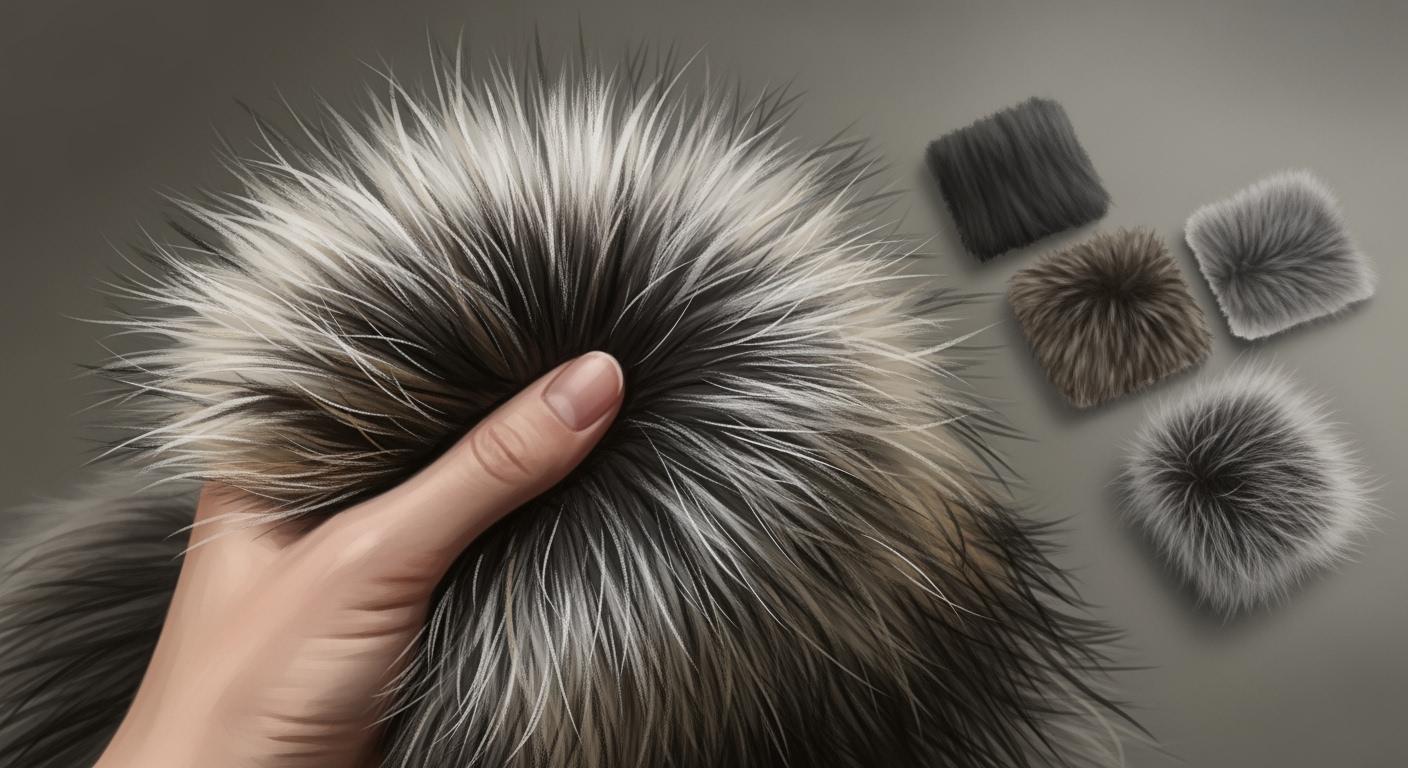
You want a faux fur fabric that turns heads and feels luxurious. Today, many people choose long pile faux raccoon fur for its unique look and ethical appeal.
The faux fur market is expanding rapidly.
More buyers prefer cruelty-free options for fashion and home décor.
Faux raccoon fur is gaining attention because it looks stylish and supports animal rights.
By choosing faux raccoon fur, you help protect the planet. This choice uses less water and creates fewer emissions than real fur. Use this faux fur fabric guide to make a smart, standout selection.
Key Takeaways
Pick faux raccoon fur that looks like real fur colors. This makes it look more real.
Feel the fabric to see if it is soft and bends easily. This helps make your project comfy and simple to use.
Choose the pile length that fits your project. Long piles stand out more. Short piles work better for small crafts.
Look at how thick the faux fur is. Thick fur feels fuller and lasts longer.
Check the backing material to see if it is strong. Strong backing keeps the shape and makes the faux fur last.
Realism in Long Pile Faux Raccoon Fur
Authentic Look and Feel
You want your faux fur to look real. Check the colors first. Real raccoon fur has gray, brown, and black mixed together. Good faux fur copies these colors well. Look for fabric with smooth color changes and natural patterns. Touch the pile to feel the texture. Real raccoon fur is soft but a little rough. Long pile faux raccoon fur should look fluffy and have layers. You can put samples next to each other to see which one looks most like raccoon fur.
Tip: Hold the faux fur up to the light. Real raccoon fur shines softly. The best faux fur shines in a similar way. This makes it stand out.
Softness and Flexibility
Comfort is important when picking faux raccoon fur. Softness and flexibility come from the fibers in the pile. Most faux fur uses acrylic and modacrylic fibers. These fibers make the fabric soft and easy to move. Acrylic fibers give fluff and shine. Modacrylic fibers make it strong and help it hold color. Some makers add silicone or resins to make it more flexible and keep its shape.
Here is a table showing common materials used in raccoon faux fur:
Material | Percentage | Properties |
|---|---|---|
Acrylic fibers | 70% to 80% | Soft, strong, holds color well, gives fluffy texture and natural shine |
Modacrylic fibers | 15% to 30% | Flame resistant, better dye absorption, enhances durability |
Polyester fibers | Varies | Budget-friendly, increases durability, suitable for short-pile furs |
Finishing Additives | N/A | Silicone and resins improve flexibility and shine, maintaining shape |
When you touch the pile, it should feel soft and bouncy. Flexible fibers make it easy to sew and comfy to wear. You can use long pile faux raccoon fur for coats, hats, or home décor. Always check if it is soft and flexible before you buy. This helps you get faux fur that feels nice and lasts a long time.
Pile Length and Density in Faux Fur Fabric
Choosing the Right Pile Length
When you pick faux fur fabric, the length of the pile changes how your project looks and feels. Long pile faux raccoon fur stands out because it looks bold and fluffy. You see this type of pile in fashion, costumes, and home décor. The pile gives the fabric a wild and natural look. If you want a dramatic effect, choose a longer pile. For smaller crafts or trim, a shorter pile works better.
Here is a table showing the average pile height for faux raccoon fur used in fashion and crafts:
Pile Height |
|---|
70mm |
A 70mm pile creates a full and soft texture. This length works well for coats, vests, and plush accessories. You can run your fingers through the pile and feel the depth. Always match the pile length to your project needs. A longer pile adds volume, while a shorter pile gives a neat finish.
Evaluating Density for Fullness
Density means how many fibers fill the fabric. High-density faux fur fabrics feel thick and look real. When you touch dense faux fur, it feels heavy and rich. Low-density fabric can look flat and thin. You want your faux fur to look full and last a long time.
Check the backing of the fabric. If you cannot see the base through the pile, the density is good. Dense pile also helps the faux fur keep its shape. It resists flattening and stays fluffy after use. For projects that need durability, like jackets or rugs, pick a dense faux fur fabric. This choice gives you a realistic look and a strong finish.
Tip: Gently pull the pile apart. If you see a lot of backing, the density is low. Choose a fabric where the pile covers the base well.
Color and Pattern in Raccoon Faux Fur
Natural-Looking Colors
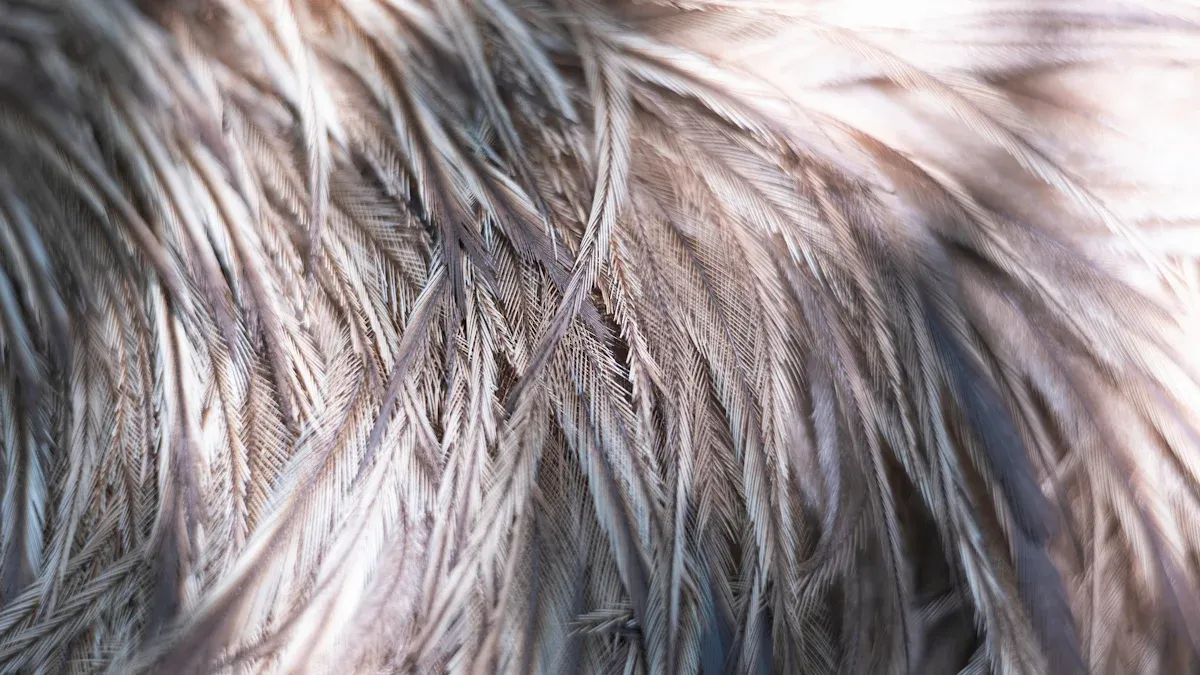
You want your project to look as real as possible. When you choose long pile faux raccoon fur, pay close attention to the colors. Real raccoon fur has a mix of gray, brown, black, and sometimes cream. Good faux fur fabric copies these shades with smooth blending. You should look for fabric that does not have harsh lines between colors. The best faux fur fabrics use several tones to create a natural effect.
Here are some tips to help you pick the right colors:
Hold the fabric in natural light. This helps you see if the colors look true.
Compare the fabric to photos of real raccoon fur. Notice how the colors blend.
Pick vibrant but natural shades. Avoid colors that look too bright or fake.
Note: Some faux fur fabric may look different under store lights. Always check the colors at home or near a window.
Pattern Consistency
Pattern plays a big role in making raccoon faux fur look real. Real raccoon fur has stripes and patches that repeat in a random way. When you look at faux fur, check if the pattern looks even and natural. You do not want patterns that repeat in a way that looks fake.
Use this checklist to check pattern consistency:
Look for smooth transitions between colors.
Check if the stripes or patches look random, not too perfect.
Make sure the pattern covers the whole fabric, not just one part.
A good faux fur fabric will have detailed patterns that do not fade or blur. You can run your hand over the fabric to see if the pattern stays clear. If you see any spots where the pattern looks off, try a different piece.
Tip: Take a photo of the fabric and zoom in. This helps you spot any pattern problems before you buy.
Choosing the right color and pattern will help your faux project stand out. You will get a look that is both bold and believable.
Durability and Shedding in Best Faux Fur
Shedding Resistance
You want your faux fur fabric to last and look great after many uses. Shedding can make your project look messy and reduce its lifespan. To check for shedding resistance, run your fingers through the pile and gently tug at the fibers. If you see a lot of loose hairs, the fabric may not be the best faux fur for your needs. You can also shake the fabric over a white surface to spot any falling fibers. High-quality faux fur should keep most of its fibers in place.
Tip: Ask for a small sample before buying. Test it at home by brushing and shaking. This helps you avoid disappointment later.
Shedding resistance matters for both clothing and home décor. You want your cozy jacket or pillow to stay neat and full. Less shedding means less cleaning and a longer-lasting look.
Fabric Strength
Strong backing gives faux fur fabrics their shape and durability. You should check the backing by stretching it gently. A strong backing will not tear or stretch out of shape. This is important for sewing, as weak backing can cause seams to split or the pile to fall out.
Here are steps to test fabric strength:
Hold the fabric at both ends and pull gently.
Look for any stretching or holes.
Check if the pile stays attached to the backing.
A good faux fur fabric will feel sturdy but flexible. This means you can use it for coats, costumes, or blankets without worry. The best faux fur will last through many wears and washes. You get more value and better quality from strong, high-quality faux fur.
Note: Always read reviews before buying. Other crafters can tell you if the fabric holds up over time.
Choosing durable and shedding-resistant faux fur helps your projects stay beautiful and cozy. You will enjoy your creations for years.
Backing and Usability of Faux Fur Fabrics
Quality of Backing Material
When you choose faux fur fabric, always check the backing. The backing holds the pile in place and helps the fabric keep its shape. Premium faux raccoon fur fabrics often use a knit fabric for the backing. This knit backing gives the fabric stability and helps it stay strong during use. You want a backing that feels secure and does not stretch out easily. If the backing is too loose, the pile may fall out or the fabric may lose its shape.
A good backing also helps the best faux fur keep its full look. You can gently pull on the backing to test its strength. If it feels firm and does not tear, you know the quality is high. A strong backing means your faux fur fabrics will last longer and look better in your projects.
Tip: Hold the fabric up to the light. If you see large holes or weak spots in the backing, try a different piece.
Ease of Sewing and Crafting
You want your diy projects to be fun and stress-free. Faux fur fabrics with a stable knit backing are easier to cut and sew. The knit backing helps the fabric hold its shape while you work. This makes it easier to sew straight lines and create neat seams. You can use these fabrics for coats, hats, pillows, or even plush toys.
Before you start sewing, think about your project. Some faux fur fabrics work better for clothing, while others suit home décor. Always read customer reviews to see if the fabric is easy to handle. Reviews can tell you if the fabric sheds, stretches, or frays during sewing.
Here are some tips for choosing faux fur fabric for your next project:
Pick a fabric with a stable knit backing for easy sewing.
Check if the fabric matches your project needs, like thickness and pile length.
Look for brands known for high quality and cozy results.
You can find many brands that offer reliable faux fur fabrics. Researching brands helps you find the right fabric for your diy ideas. When you choose the right backing and fabric, your projects will look great and feel soft.
Now you know five important ways to pick long pile faux raccoon fur that really stands out. Make sure to look at how real it looks, the length of the pile, the colors, how strong it is, and the quality of the backing. Many people make mistakes like choosing fur just because it looks fluffy or not checking the backing carefully. Some forget to think about the pile length or whether the fur is breathable. Avoid these mistakes to get the best results for your sewing projects. Trust your eyes and have fun creating with faux fur. You will feel proud when you find the perfect fabric for your next project.
Common mistakes to watch out for:
Picking fur only for its fluffiness, not how it feels or lasts
Not checking what the backing is made of
Forgetting to consider the pile length
Ignoring if the fur is breathable
Picking the right faux fur makes every project more fun and satisfying.
FAQ
How do you start sewing faux fur for beginners?
You can begin by choosing sharp scissors and a strong needle. Always cut from the back. Pin pieces together before you sew. Practice on scraps first. This helps you learn how to sew faux fur without mistakes.
What makes faux fur for costumes different from other fabrics?
You will notice that faux fur for costumes has longer pile and brighter colors. This fabric stands out on stage or at parties. It also feels soft and keeps its shape during events.
Can you use faux raccoon fur for diy projects?
Yes, you can use faux raccoon fur for diy crafts. You can make pillows, hats, or even plush animals. This fabric works well for creative ideas at home.
How do you care for cozy jackets made from faux fur?
You should brush your cozy jackets gently. Use a damp cloth to clean small spots. Let the jacket air dry. Avoid using heat or harsh cleaners. This keeps the fur soft and fluffy.
Where can you find a good faux fur fabric collection?
You can find a faux fur fabric collection at craft stores or online shops. Look for stores with many colors and patterns. Read reviews before you buy. This helps you pick the best fabric for your project.
See Also
3 Easy Methods for Choosing Soft Faux Fox Fur
