Blanket Material Comparison Microfiber Flannel Fleece and Fleece Explained

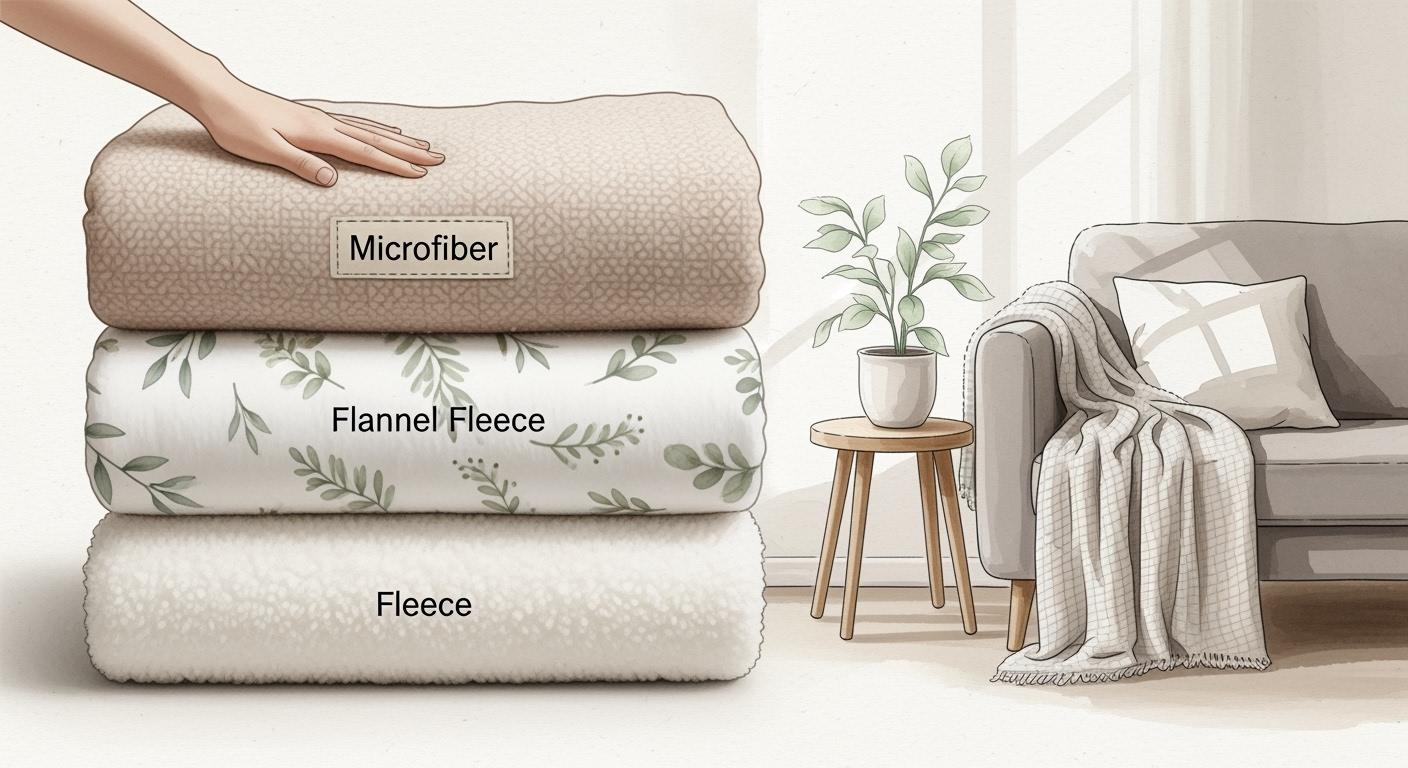
Staying warm in winter can be hard. Picking the right blanket is important. You may ask which blanket feels best and keeps you warmest. Microfiber, micro fiber flannel fleece, and fleece are common choices. Many people like fleece blankets for their soft feel and warmth. Wool is very good at keeping heat in very cold weather. This post will look at how warm, comfy, strong, and easy to clean these blankets are. It will help you choose the best blanket for winter.
Key Takeaways
Microfiber blankets feel soft and warm. They are simple to wash. This makes them great for daily use.
Fleece blankets keep you very warm. They also help manage sweat. They are good for cold nights.
Flannel blankets give medium warmth. They let air pass through. They work well for cool winters.
Wool blankets give the most warmth. They control body heat naturally. They are best for very cold weather.
Think about your weather and what you like. This helps you pick the best blanket for winter comfort.
Blanket Material Comparison: Microfiber, Flannel, Fleece, and Wool
Main Differences at a Glance
When you pick a blanket for winter, you need to know how each one works. Microfiber, micro fiber flannel fleece, fleece, and wool are all different. Each type feels different and gives a certain amount of warmth and comfort. You can look at the table below to see the main differences.
Blanket Type | Fiber Composition | Insulation Properties | Moisture Management | Price Range |
|---|---|---|---|---|
Microfiber | Synthetic, dense | Good warmth, can feel hot in moderate climates | Poor moisture wicking, can feel clammy | $20–$90 |
Fleece | Synthetic, lofty | Very warm, traps air well | Excellent moisture wicking, breathable | $20–$80 |
Flannel | Cotton or synthetic | Soft, breathable, moderate warmth | Decent moisture wicking | $30–$100 |
Wool | Natural fibers | Excellent warmth, retains heat even when wet | Good moisture wicking, breathable | $100–$300 |
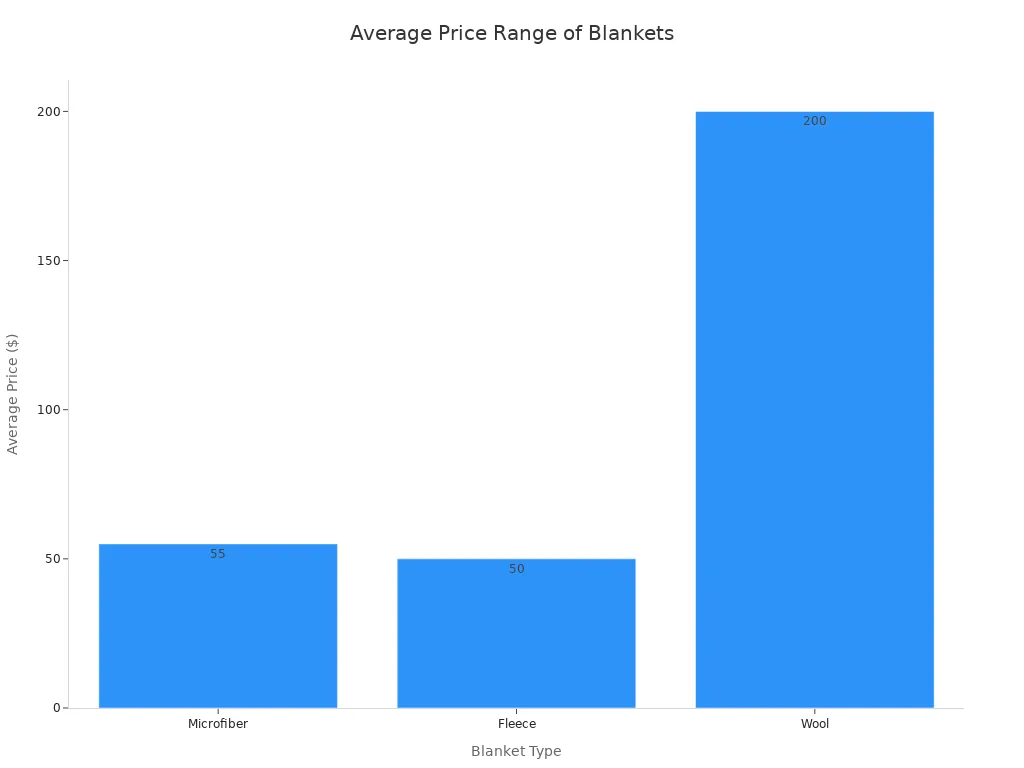
Microfiber blankets are made from man-made fibers. They feel smooth and soft on your skin. Micro fiber flannel fleece blankets mix the softness of microfiber with the cozy feel of flannel. Fleece blankets hold air in their fabric. This makes them feel fluffy and warm. Wool blankets use natural fibers. They are heavier and give the most warmth. Wool is great for very cold places. Wool costs more, but it keeps you warm and comfortable.
Tip: If you want a blanket that is soft and easy to wash, choose microfiber or fleece. If you want a blanket that is warm and lets air through, wool is the best choice.
Choosing for Different Winter Climates
You should pick your blanket based on your weather. Some blankets work better in cold weather. Others are better for mild winters. Here is how each one works:
Microfiber blankets keep you warm. They can feel too hot if your room is not cold.
Micro fiber flannel fleece blankets are soft and cozy. They give medium warmth and comfort. You can use them in cold or mild weather.
Fleece blankets hold air and feel very warm. They are light and dry fast. Fleece is good for cold and freezing weather.
Wool blankets use natural fibers. They are heavy and warm. Wool keeps heat even if it gets wet. Wool is good for cold and changing weather.
For very cold weather, fleece and wool are the best. Fleece is fluffy and keeps you warm but is not heavy. Wool gives natural warmth and comfort. Wool blankets help control your body temperature and let air through. You can use wool in cold or mild weather. Wool blankets might feel scratchy, but they last a long time and use natural fibers.
If your winter is not very cold, you may want a blanket that is soft and light. Fleece blankets let air through and dry fast. Microfiber blankets feel smooth and cozy. Wool blankets are warm and comfy, but they might be too hot for mild winters.
Fleece blankets have a TOG rating of about 3.0. This means they keep heat well.
Microfiber blankets with high GSM are warm. They make a thick layer that holds heat.
Flannel blankets are soft and let air through. They are good for cold weather but not for very cold weather.
Wool blankets use natural fibers. They keep you warm even if they get wet. Wool is best for cold places.
Note: Blankets made from synthetic fibers like microfiber and fleece cost less than wool. Wool blankets use natural fibers and cost more, but they give the best warmth and comfort for winter.
You can use this blanket guide to help you pick the best one for you. If you want warmth, comfort, and easy washing, microfiber, micro fiber flannel fleece, and fleece are good picks. If you want natural fibers and strong warmth, wool is best for cold weather.
Microfiber, Flannel, and Fleece: Main Features
Microfiber: Soft and Warm
When you touch a microfiber blanket, it feels very soft. Microfiber blankets are made from tiny synthetic fibers. These fibers make the blanket smooth against your skin. They keep you warm because the thick material holds heat close. Microfiber usually has an insulation rating of 200-300 GSM. This means it keeps you warm in winter. If you use microfiber in mild weather, it might feel too hot. Microfiber does not absorb moisture well, so you might feel sweaty or clammy. Microfiber blankets are easy to wash and dry quickly. They don’t wear out easily and last a long time. Many people like microfiber because it feels soft and cozy. If you want a warm, comfy blanket that is easy to clean, microfiber is a good choice. Micro fiber flannel fleece mixes microfiber’s softness with flannel’s cozy feel for extra comfort.
Property | Microfiber | Fleece |
|---|---|---|
Insulation | Thick layer that keeps heat close | Traps air in fluffy pile for warmth |
Moisture Management | Doesn’t absorb water well | Wicks moisture and breathes |
Durability | Very resistant to wear | Can pill over time, but some last longer |
Maintenance | Easy to wash and dries fast | Easy to care for, but low-quality may pill |
Flannel: Breathable and Soft
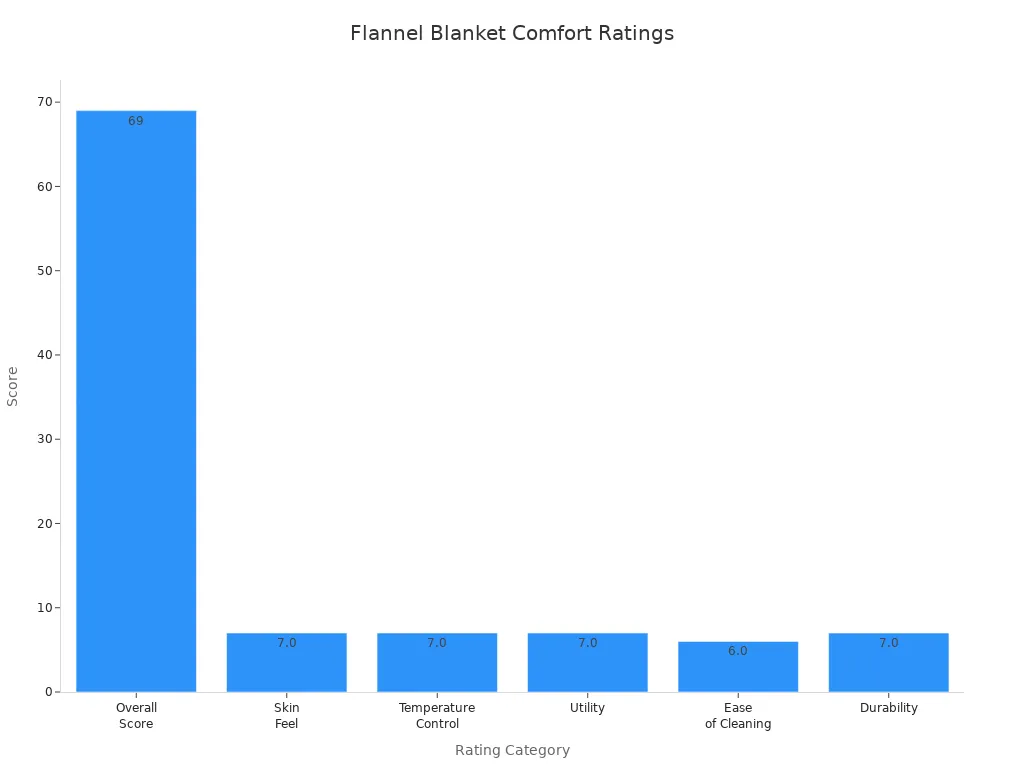
Flannel blankets give you warmth and let air flow. You can feel the brushed surface, which traps heat but still breathes. Flannel is made from cotton or synthetic fibers. It feels soft and gives moderate warmth. This helps you stay comfortable without getting too hot. Flannel blankets are good for people who want warmth but also want to breathe. The breathability helps you sleep better by stopping night sweats. If you want a cozy blanket that isn’t too hot, flannel is a smart choice. Flannel also absorbs moisture, which can be helpful. But in wet conditions, it might feel damp. Consumer reports say flannel blankets are comfortable, good at controlling temperature, and last a long time.
Fleece: Warm and Wicks Moisture
Fleece blankets are known for their warmth and ability to manage moisture. The fluffy pile traps air and keeps you warm. Fleece pulls sweat away from your skin and dries quickly. This makes it great for cold, dry places. Fleece is breathable and wicks moisture, so you stay comfortable even if you sweat. Fleece blankets are easy to care for, but cheaper fleece can pill over time. If you want a blanket that is warm and lets moisture escape, fleece is a top pick. Sherpa fleece and minky fleece are extra soft and plush. Sherpa feels like wool, while minky is velvety smooth. You can use fleece blankets for sleeping, relaxing, or outdoor fun. Fleece gives you warmth, softness, and comfort every time.
Tip: Pick fleece or sherpa for the best warmth and moisture control. Choose minky if you want a super soft feel.
Warmth and Comfort Comparison

Which Material Offers the Most Warmth?
If you want to stay warm at night, wool is the best. Wool keeps heat in because it has tiny air pockets. These pockets hold warmth and make you feel cozy. Wool also pulls sweat away, so you stay dry. Microfiber blankets are also warm. They have a tight weave that holds heat close to your body. Fleece blankets are fluffy and trap air. This makes them soft and very warm. Flannel blankets give medium warmth and let air move through. They are good for winters that are not too cold.
Material | Warmth Level | Heat Retention | Moisture Wicking | Comfort Rating |
|---|---|---|---|---|
Wool | Highest | Excellent | Excellent | 5/5 |
Fleece | High | Very Good | Good | 5/5 |
Microfiber | High | Good | Fair | 4/5 |
Flannel | Moderate | Fair | Good | 4/5 |
Wool does not let heat escape easily. This keeps you warm. Fleece blankets, like sherpa and minky, hold heat well and feel soft. Microfiber blankets are smooth and cozy. They can feel too hot if your room is warm. Flannel blankets are soft and let air flow. This stops you from getting too hot.
Tip: For the most warmth, pick wool or fleece blankets. Sherpa fleece is extra warm and feels very soft.
Preventing Overheating in Winter
You might worry about getting too hot with warm blankets. You can stop this by using layers on your bed. Start with sheets that let air move, like cotton or flannel. These sheets help control your body temperature. Add a light layer, such as a wool comforter. Wool helps keep you warm and pulls sweat away. This keeps you from feeling sweaty.
Put a cozy blanket on top. Wool or cotton blankets give warmth but do not trap too much heat. You can also use a wool mattress topper. This topper keeps you warm and lets air move. Fleece blankets are warm and soft, but they do not let as much air through as wool. Microfiber blankets are smooth and cozy. They can make you feel sweaty if you get hot.
Use sheets that let air move for better comfort.
Add a wool comforter for warmth that controls temperature.
Pick a light blanket for winter comfort.
Try a wool mattress topper for warmth and airflow.
Note: Using layers helps you change your bedding to fit your needs and the weather.
Wool vs. Microfiber, Flannel, and Fleece
Wool blankets are best for very cold weather. Wool traps air and pulls sweat away, so you stay warm even if the blanket gets wet. Wool dries slower than fleece, but it still keeps you warm. Fleece blankets dry fast and get warm again quickly. Fleece is also soft and fluffy, especially sherpa and minky types.
Microfiber blankets are smooth and hold heat well. They are easy to wash and last a long time. Micro fiber flannel fleece is soft like microfiber and cozy like flannel. This gives you extra comfort. Flannel blankets are soft and let air move, but they are not as warm as wool or fleece.
Wool is a natural material. It gives strong warmth and helps control temperature. Fleece is made by people and is warm, soft, and dries fast. Microfiber is also made by people and feels smooth. It does not pull sweat away as well as wool or fleece. Flannel can be natural or man-made. It gives medium warmth and lets air move.
Wool blankets are best for very cold weather and comfort. Fleece blankets are great for warmth and softness. Microfiber blankets are good if you want easy care and a cozy feel. Flannel blankets are best for mild winters and letting air move.
Material | Feel | Warmth | Breathability | Moisture Wicking | Drying Speed | Temperature-Regulating |
|---|---|---|---|---|---|---|
Wool | Soft, natural | Highest | Good | Excellent | Slow | Yes |
Fleece | Fluffy, plush | High | Moderate | Good | Fast | Yes |
Microfiber | Smooth, cozy | High | Fair | Fair | Fast | No |
Flannel | Soft, brushed | Moderate | Good | Good | Moderate | No |
Sherpa | Extra plush | High | Moderate | Good | Fast | No |
Minky | Velvety soft | High | Moderate | Fair | Fast | No |
You can pick the blanket that fits what you need. Wool gives you natural warmth and comfort. Fleece blankets are soft and warm. Sherpa and minky types are even softer. Microfiber blankets are smooth and cozy. Micro fiber flannel fleece gives you both softness and warmth. Flannel blankets are soft and let air move, so they are good for mild winters.
Pick wool for the most warmth and to control temperature. Choose fleece for softness and fast drying. Get microfiber for easy care and a cozy feel. Use flannel for air flow and medium warmth.
Durability and Maintenance
Longevity of Each Material
When you choose a blanket, you want it to last. Microfiber blankets stand out for their strength. This material resists stains and wrinkles, so you can wash it many times without losing its look. Microfiber does not pill easily, and it keeps its shape well. Fleece blankets also last a long time, but they may pill after many washes. Pilling makes the surface look fuzzy, but the blanket still feels soft. Flannel blankets can last for years if you care for them properly. The brushed surface may wear down with heavy use, but flannel stays cozy. Wool blankets are strong and can last for decades. You need to handle wool with care, or it may shrink or lose its softness.
Here is a quick look at how each material holds up:
Material | Durability | Common Issues | Lifespan |
|---|---|---|---|
Microfiber | Very High | Rare pilling | 5–10 years |
Fleece | High | Pilling, shape loss | 3–7 years |
Flannel | High | Surface wear | 4–8 years |
Wool | Very High | Shrinking, felting | 10+ years |
Tip: If you want a blanket that stays nice after many washes, microfiber blankets are a smart pick.
Care and Cleaning Tips
You can keep your blankets soft and fresh with the right care. Microfiber blankets are easy to clean. You can put them in the washing machine and they dry quickly. Use a gentle cycle and mild detergent. Avoid bleach, as it can damage the fibers. Fleece blankets are also simple to wash. They handle frequent washing well, but you may notice pilling over time. Wash fleece in cold water and skip fabric softeners to keep the fibers fluffy.
Flannel blankets need a little more care. Wash them in warm or cold water to prevent shrinking. Use a neutral detergent and never use bleach. Dry flannel in a shaded area to stop fading. Wool blankets need special attention. Traditional wool should be dry-cleaned to avoid shrinking. Some wool blankets are machine washable, but always check the label. To freshen wool, hang it in a steamy room and let it air dry.
Microfiber blankets: Machine wash, quick dry, stain-resistant, rarely pill.
Fleece: Machine wash, dries fast, may pill, avoid high heat.
Flannel: Wash in warm or cold water, use mild detergent, dry in shade.
Wool: Dry-clean or gentle wash, avoid hot water, air dry for freshness.
Note: Microfiber blankets give you easy care and long life. Fleece and flannel need a bit more attention, but they stay soft. Wool lasts the longest if you handle it gently.
Best Use Cases for Each Blanket Material
Microfiber: Everyday and Budget-Friendly
Microfiber blankets are good for daily use. They are light and easy to care for. Microfiber keeps you warm but does not feel heavy. You can use it in any season. The blanket feels soft and smooth every time you touch it. Microfiber does not pill or shrink much, so it lasts after many washes. If you have allergies, the tight fibers help keep dust mites away. You can wash and dry microfiber fast, which is great for busy homes. Microfiber costs less, so you get warmth and comfort without spending a lot. Micro fiber flannel fleece is soft like microfiber and gives extra warmth. It is a smart pick for families.
Light and warm for all seasons
Good for allergies and easy to clean
Great price for daily use
Flannel: Cozy and Versatile
Flannel blankets feel cozy and work in many ways. You can use flannel for bedding, scarves, or pet items. Flannel lets air move through, so you stay comfortable. Flannel keeps you warm but stops you from getting too hot. You sleep better with flannel blankets. Flannel comes in many colors and patterns, so you can match your style. Flannel stays soft and strong after many washes. You can use flannel for home décor or baby items. Flannel is a good choice for winter.
Strong and soft for lasting comfort
Lets air move for better temperature control
Stylish and useful for many winter things
Fleece: Plush and Warm
Fleece blankets are soft and very warm. You feel cozy on cold nights because fleece holds heat well. Fleece is lighter than wool but still keeps you warm. You can use fleece blankets at home, as gifts, or in hospitals. Fleece does not soak up water and dries fast, so you stay comfy. Sherpa and minky fleece are even softer and warmer. They are perfect for snuggling. Fleece blankets are easy to wash and keep their softness after many washes.
Fleece blankets are soft and warm, so they are great for cold nights.
Soft feel and high warmth for winter
Dries fast and easy to care for
Sherpa and minky types give extra comfort
Wool: Heavy-Duty Warmth
Wool blankets give strong warmth and natural comfort. You can use wool in cold places or outside. Wool holds heat and keeps you warm, even if it gets wet. The natural fibers help control temperature, so you do not get too hot. Wool does not burn easily and lasts for many years. You feel safe and warm with wool at home or outdoors. Wool is used for military and special needs.
Property | Description |
|---|---|
Insulation | Holds heat for strong warmth in cold places |
Moisture Resistance | Takes in water but does not feel wet |
Durability | Stays strong and lasts for years |
Flame Resistance | Does not burn easily, safe for outdoor use |
Strong warmth and natural temperature control
Lasts long and safe for tough conditions
Quick Reference Table: Blanket Material Comparison
You might want to see blanket features fast before buying. This table shows the main things about each blanket side by side. You can look at it to pick the one that fits you best.
Material | Warmth Level | Softness | Breathability | Moisture Wicking | Durability | Best For | Price Range |
|---|---|---|---|---|---|---|---|
Microfiber | High | Very soft | Moderate | Low | Very high | Everyday use, allergies | $20–$90 |
Fleece | High | Plush | Moderate | Good | High | Cold nights, quick dry | $20–$80 |
Flannel | Moderate | Soft | Good | Good | High | Mild winters, layering | $30–$100 |
Wool | Highest | Natural soft | Good | Excellent | Very high | Extreme cold, outdoors | $100–$300 |
Sherpa | High | Extra plush | Moderate | Good | High | Snuggling, extra warmth | $25–$100 |
Minky | High | Velvety soft | Moderate | Fair | High | Kids, gifts, luxury | $30–$120 |
Tip: If you want a soft and warm blanket, try microfiber or fleece. Sherpa is extra fluffy for more comfort. Minky is smooth and many people like how it feels.
Microfiber is easy to wash and stays strong for a long time. Fleece keeps you warm and dries fast after you wash it. Sherpa is very fluffy, so it feels cozy on cold nights. Minky is great for kids or anyone who likes a soft, smooth blanket. Wool is best if you need a blanket for really cold weather. Wool keeps you warm and lasts many years.
Here are some facts to help you pick:
Microfiber does not stain easily and keeps its shape.
Fleece holds heat and moves sweat away, so you stay dry.
Sherpa is thick and fluffy for more warmth.
Minky is smooth and soft on your skin.
Wool keeps you warm even if it gets wet.
You can use this table and these facts to help you find the best blanket for winter comfort.
You can pick the best blanket material by thinking about what you need, your climate, and what you like. Microfiber feels soft, keeps you warm, and is easy to wash. Fleece is warm, soft, and lets air through. Flannel gives warmth, comfort, and breathability. Wool offers the most warmth, softness, and breathability. It’s important to see how each blanket controls temperature and comfort. If you live in very cold weather, wool keeps you the warmest. Microfiber, flannel, and fleece each have special strengths for winter. You can compare warmth, softness, breathability, and cost to find the perfect blanket for you.
Keep in mind, wool is best for very cold temperatures. Microfiber, flannel, and fleece give softness, comfort, and breathability during winter.
Microfiber: warmth, softness, easy to clean
Flannel: warmth, comfort, breathability
Fleece: warmth, softness, breathability
Wool: warmth, softness, breathability, temperature control
FAQ
What makes wool blankets so warm for winter?
You get strong warmth from wool because the fibers trap air. Wool holds heat even when wet. You stay cozy in cold weather. Wool works well for extreme winter conditions.
How does breathability affect blanket comfort?
Breathability lets air move through the blanket. You feel less sweaty and more comfortable. Wool and flannel offer good breathability. Fleece gives moderate breathability. Microfiber has less breathability.
Can you use wool blankets if you have allergies?
You can use wool blankets if you have allergies. Wool resists dust mites and bacteria. You stay safe and comfortable. Wool works well for sensitive skin. Always check for any reactions.
How do you clean wool blankets?
You clean wool blankets with care. Use gentle washing or dry cleaning. Wool needs air drying. You keep wool soft and strong. Avoid hot water. Wool lasts longer with proper cleaning.
Which blanket is best for breathability and warmth?
You get the best breathability and warmth from wool. Wool lets air move and holds heat. Flannel also gives good breathability. Fleece offers warmth but less breathability. Microfiber is warm but has low breathability.
Tip: Wool blankets give you warmth, breathability, and comfort for winter.
See Also
Selecting The Ideal Fabric: Faux Fur Versus Sherpa
Important Considerations When Choosing Jacquard Faux Sherpa
Your Comprehensive Guide To Selecting Tricot Velboa Velvet
