How Snow Top Faux Sherpa Fur Fabrics Are Made

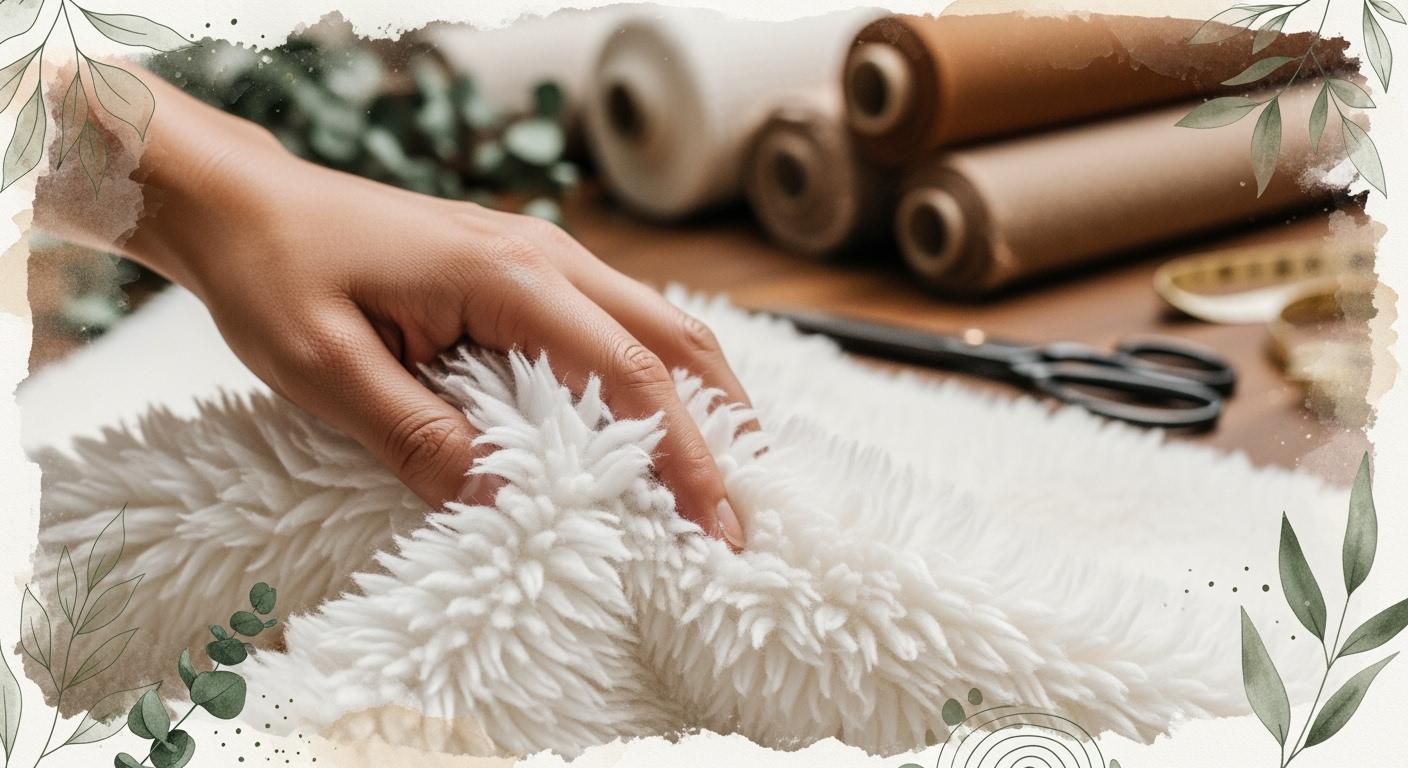
The popularity of faux fur fabrics has grown rapidly in recent years. Many people now choose snow top faux sherpa fur as a cruelty-free alternative to real fur. Advances in technology have made these fabrics softer and more realistic. Buyers often look for stylish options that do not harm animals.
The table below shows the global market size for faux fur fabrics:
Year | Market Size (USD) | Projected Growth (USD) |
|---|---|---|
2023 | 1.5 billion | 2.7 billion by 2032 |
2025 | 1.5 billion | 2.8 billion by 2034 |
2026 | 1.65 billion | N/A |
Key Takeaways
Snow top faux sherpa fur does not use real fur. It is made from man-made fibers like polyester and acrylic. The way it is made includes knitting and raising the fibers. It also includes dyeing and shaping. This makes a soft and warm fabric. It is great for winter clothes. Factories check the fabric at every step. They do this to make sure it is strong, soft, and always good quality. Snow top faux sherpa fur is light and lets air pass through. This makes it comfy to wear. It is perfect for jackets, blankets, and pet beds. You should wash it gently and let it dry in the air. This helps keep the faux fur soft and looking nice.
Snow Top Faux Sherpa Fur Overview
What Makes Snow Top Faux Sherpa Fur Unique
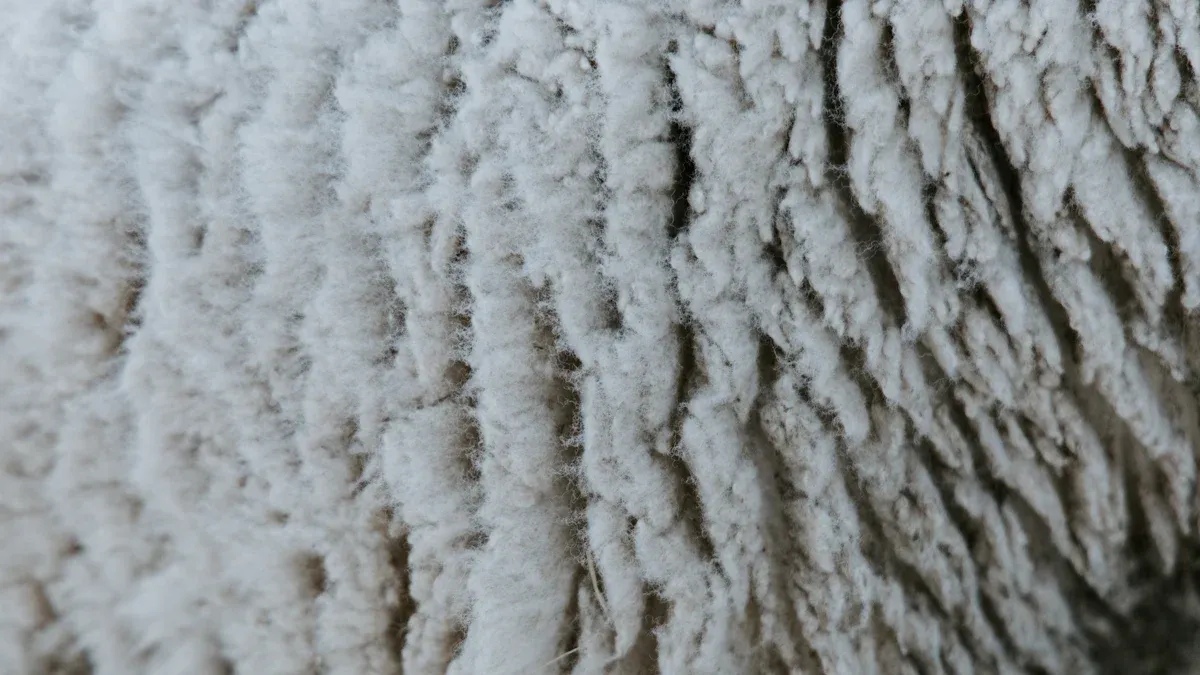
Snow top faux sherpa fur is very soft and fluffy. It feels light when you touch or wear it. People like this fabric because it looks like real wool. It does not use any animal products at all. This is good for people who want cruelty-free things. The fabric keeps you warm and feels comfortable. It is great for cold weather clothes and home items.
Some main features of snow top faux sherpa fur are:
Made from 100% cotton fleece, 100% polyester, or a mix of polyester and acrylic.
Very soft and fluffy, so it feels cozy.
Light in weight, so it is easy to wear or use.
Keeps you warm, just like real wool does.
Cruelty-free, so people who avoid animal products like it.
Has longer and thicker piles than other plush fabrics, so it looks fancy.
These features make snow top faux sherpa fur popular for jackets, blankets, and pet beds.
Sherpa Fleece Fabrics Structure
Sherpa fleece fabrics have a special way they are made. This helps them stay warm and soft. Most sherpa fleece uses high-quality polyester. Polyester is strong and easy to wash. Sometimes, cotton or acrylic is mixed in. This makes the fabric more comfy and lets it breathe.
Common materials in sherpa fleece fabrics:
Polyester: Used the most, because it is cheap and strong.
Cotton: Makes the fabric soft and lets air pass through.
Blends: Mix polyester with cotton or acrylic for better results.
Sherpa fleece fabrics are made to feel like wool. The top feels soft and thick. This helps trap air and keep you warm.
The brushing step lifts the fibers up. This traps air and keeps heat close to your body.
This is why snow top faux sherpa fur works so well in winter.
Manufacturing Process Steps
Knitting The Base Fabric
Factories start by knitting the base fabric. This base is important because it holds the fluffy fibers. Special machines knit the base to make it strong and flexible. Most factories use polyester yarns since they last long and are easy to clean. Sometimes cotton or acrylic is mixed in to make the fabric softer and let air pass through. The base must be smooth and even so the next steps work well.
Knitting makes a steady layer that supports the soft piles of sherpa fur.
Raising And Texturizing Fibers
After the base is made, the next step is raising and texturizing the fibers. This step is key for making the fabric soft and fluffy. Factories use napping, which brushes the fabric’s surface. Brushing lifts the fibers so they stand up and feel plush. This makes the fabric look and feel like real lambskin.
Napping lifts the sherpa fibers and makes the fabric very soft.
Fibers are attached to the base by weaving or tufting, which builds the thick pile.
Brushing traps air, helping keep warmth close to your body.
Raising the fibers makes the fabric soft and also keeps you warm. That is why snow top faux sherpa fur is great for winter clothes and blankets.
Dyeing And Softness Treatment
When the fibers are raised, the fabric goes through dyeing and finishing. These steps add color and make the fabric softer. Factories use safe dyes to give the fabric its final color. After dyeing, special chemicals are used to make the fabric smoother and softer.
Chemical Treatment | Effects on Sherpa Fleece Fabrics |
|---|---|
Finishing agents | Make the fabric feel softer, smoother, and more absorbent |
Silicone softeners | Make the fabric even softer and smoother |
Dyeing and finishing make the fabric look bright and feel gentle on skin. These treatments help the fabric stay soft and last longer after washing.
Tip: Dyeing and finishing can also make the fabric more water-resistant and easier to clean.
Drawing, Combing, And Shaping
The last step is drawing, combing, and shaping the fabric. Workers use machines to comb the fibers so they all go the same way. This makes the fabric look neat and feel softer. Drawing stretches the fabric to the right thickness and shape. Shaping is important because faux fur can have long piles that are hard to handle.
Faux fur can be tricky because of its long pile.
Cutting and sewing need special care to stop shedding.
Keeping the fur’s shape and softness is important in this step.
New technology, like nanotechnology, helps make snow top faux sherpa fur better. These improvements make the fabric more water-resistant but still soft and breathable. Factories also try to make the fabric eco-friendly for today’s buyers.
Note: Every step helps make snow top faux sherpa fur soft, warm, and stylish.
Quality Control In Sherpa Fleece Fabrics
Inspection And Testing
Factories check sherpa fleece fabrics very carefully. They want to make sure the fabric is good quality. Workers look for problems at every step. They check for yarn issues, weaving mistakes, and color problems. Some small problems, like tiny color changes or slub yarn, can be fixed while making the fabric. Big problems, like holes or large color mistakes, cannot be fixed and must be thrown away.
Inspection Method | Description |
|---|---|
Fabric Defect Classification | Workers sort problems into yarn, weaving, dyeing, and shipping damage. |
Repairable Defects | Small color changes and slub yarn can be fixed during making. |
Unretainable Defects | Big problems like holes and large color mistakes cannot be fixed. |
Color Fastness Testing | Special tools check if the color stays after washing or rubbing. |
Shrinkage Stability Testing | Tests if the fabric keeps its shape after washing or ironing. |
Factories also check the weight and width of the fabric. They measure each roll to make sure it is the right size. If the fabric is too heavy or too light, they fix it. This helps clothes and blankets fit well and feel comfortable.
Tip: Special machines test if the color stays bright and the fabric keeps its shape.
Ensuring Consistency And Durability
Factories want every batch of snow top faux sherpa fur to look and feel the same. They pick good suppliers and test the raw materials to make sure they are pure. During making, machines mix and watch the ingredients to keep the color and feel even. Workers use filters and vacuums to check for air bubbles and dirt.
Production Stage | Quality Control Measures | Purpose |
|---|---|---|
Raw Material Sourcing | Check suppliers, test materials, store them well | Make sure materials are pure and stable |
Formulation & Mixing | Use machines to mix and check samples | Get the right formula and texture |
Stability & Final Testing | Test color and wear, check thickness | Make sure the fabric lasts and works well |
Continuous Improvement | Listen to customers, test new ideas | Make the fabric better and fix problems |
They test how strong the fabric is by pulling on it and checking for fuzz balls. The back of the fabric is checked to make sure it does not shed. Factories compare different fabrics and ask for samples before buying a lot.
Factories also listen to what customers say. If someone finds a problem, the company talks about it and tries to fix it. This helps make customers happy and makes the fabric better over time.
Note: Careful checks at every step help snow top faux sherpa fur stay soft, strong, and good to use.
Snow top faux sherpa fur fabrics are made with synthetic fibers. These fibers help the fabric last long and make it easy to clean. The fabric is made by knitting, brushing, and shaping. This creates a strong and soft warp knitted sherpa fleece fabric.
Aspect | Details |
|---|---|
Materials Used | Synthetic fibers like polyester and acrylic |
Manufacturing Steps | Knitting, brushing, shearing for texture |
Quality control checks make sure the fabric stays soft and strong. This helps brands build trust with buyers. Factories care about the planet, so they use recycled materials and good methods. This meets what customers want today.
FAQ
What is faux fur fabric and how is it made?
Faux fur fabric uses synthetic fibers. Factories knit the base, raise fibers, dye, and shape the material. This process creates soft faux fur textures that look and feel like real fur. Many people choose faux fur for its cruelty-free appeal.
Why do people prefer faux fur over real fur?
Faux fur offers warmth and softness without harming animals. It comes in many textures and colors. Faux fur sewing projects are popular because the material is easy to clean and lasts longer. People like faux fur fabric for jackets, blankets, and pet beds.
How can I sew with faux fur?
Sewing faux fur requires sharp scissors and strong needles. Cut the fabric slowly to avoid shedding. Pin pieces together before sewing. Many beginners ask how to sew with faux fur because the pile can be tricky. Practice helps improve faux fur sewing projects.
What types of faux fur textures are available?
Faux fur textures include short, long, curly, and smooth piles. Snow top faux sherpa fur has thick, fluffy piles. Faux fur fabric comes in many styles. You can find faux fur textures for coats, hats, and home décor.
How do I care for faux fur fabric?
Wash faux fur fabric gently in cold water. Air dry to keep the fibers soft. Avoid heat and harsh chemicals. Brushing helps maintain faux fur textures. Proper care keeps faux fur sewing projects looking new and feeling cozy.
See Also
Selecting Between Faux Fur And Sherpa For Your Needs
Important Considerations When Choosing Jacquard Faux Sherpa Fabric
Tips For Selecting The Ideal 100% Polyester Faux Sherpa
Three Easy Methods To Select Soft Faux Fox Fur
Understanding Polyester Knitted Fur Fabric And Its Applications
