Fur Garment Selection: Tips for Style and Fit
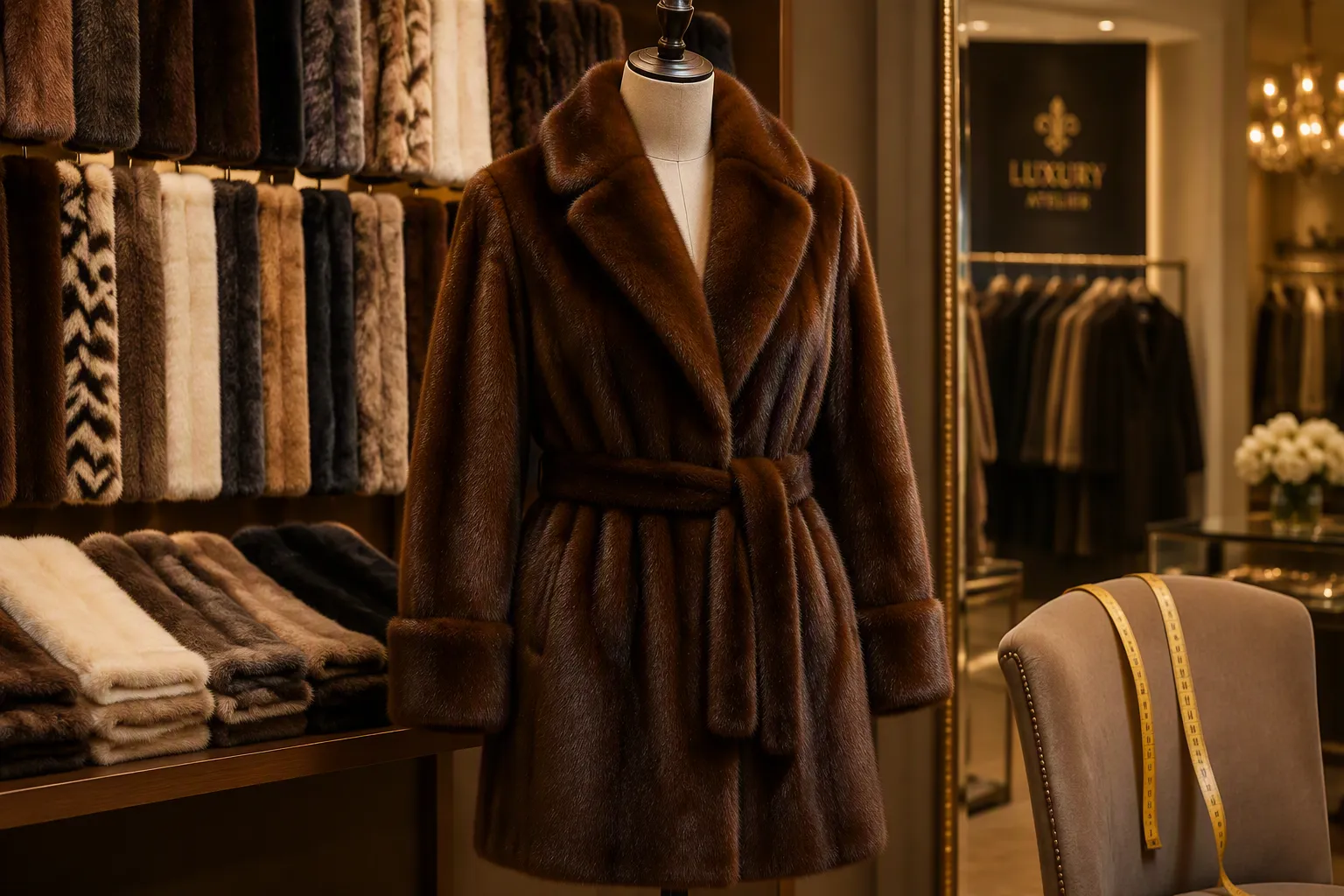
You stand in the store, the fur coat heavy on your shoulders. The mirror shows a stranger. You wonder, how do you pick a piece that truly flatters? The right choice feels personal. It involves understanding how fur shades interact with your skin. It also means noticing how the fur drapes on your body. Your lifestyle matters too. Fur fashion offers many paths. Quality separates a wise fur investment from a regret. This fur shopping experience can feel overwhelming. Shopping for fur requires patience. We have practical tips to guide you. Let's explore the details together. Every detail, from collar to hem, speaks to you. Your perfect fur garment awaits discovery.
Key Takeaways
Match fur color to your skin undertone and hair color for a flattering look.
Choose a fur coat length and silhouette that flatters your height and body shape.
Pick fur styles for your daily life: work, evening events, or casual outings.
Inspect fur quality by checking for bald spots, tears, and evenness of the pelt.
Set a budget that balances quality and long-term value for your fur investment.
Fur Color Matching
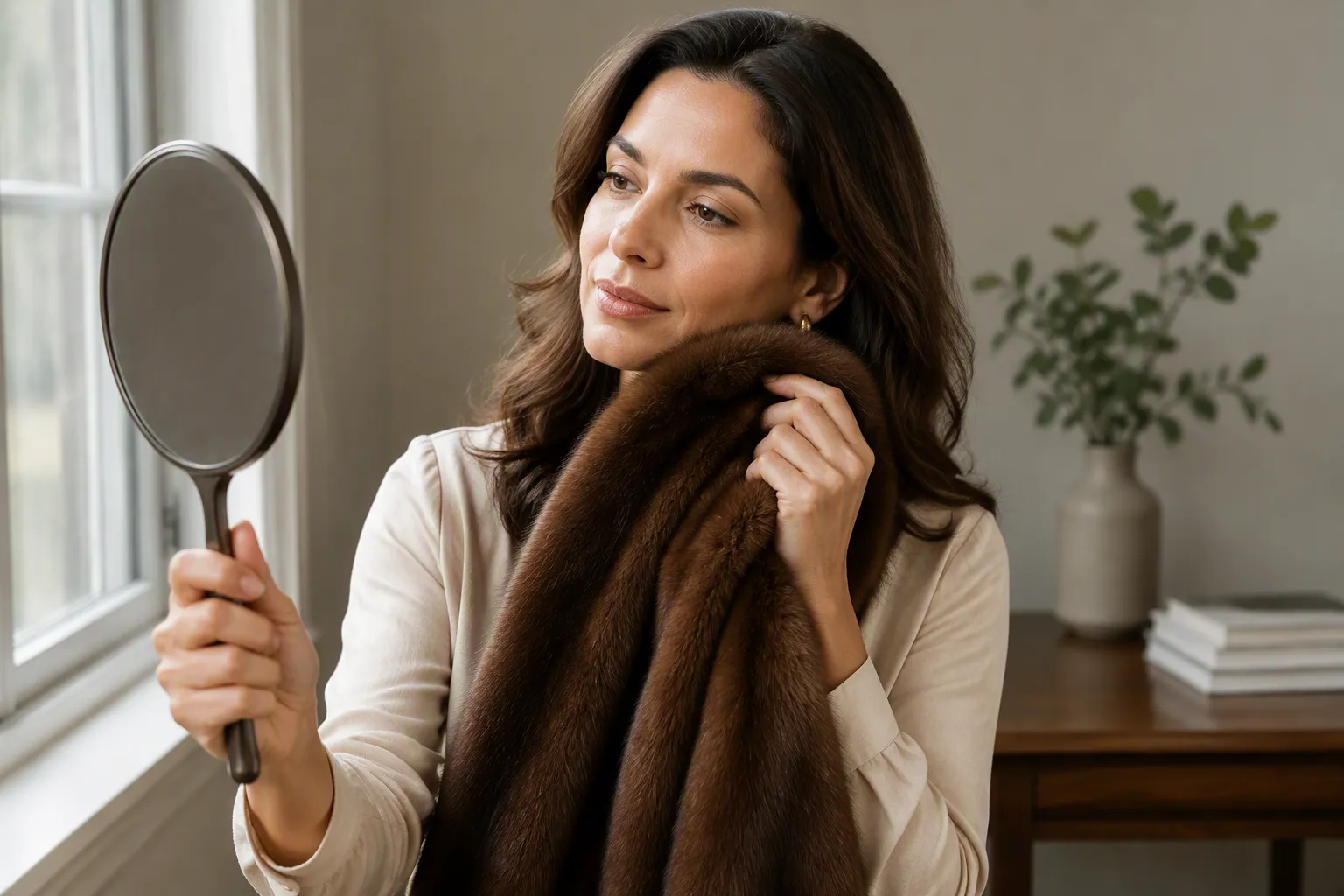
The color of your fur garment shapes your entire look. The right shade can brighten your face. The wrong shade can wash you out. Fashion experts recommend testing fur against your skin in natural light. This simple step reveals the truth about a color. Both real fur and faux fur now come in endless shades. You can find classic browns and blacks. You can also explore bold pastels and vibrant hues. Understanding your skin undertone makes the choice easier. This knowledge helps you narrow down the options quickly.
Choosing Colors for Your Skin Tone
Your skin has a subtle undertone. It can be cool, warm, or neutral. This undertone guides your fur color choices. The table below shows expert recommendations for different undertones.
Skin Undertone / Hair Color | Recommended Fur Colors | Colors to Avoid |
|---|---|---|
Blonde (cool/blue undertone) | Brown or pastel mink, lynx, light shades of mink/fox | Black mink, silver fox, raccoon, chinchilla (unless platinum blonde) |
Brunette (with pink/red undertone) | Black or mahogany mink, red or blue shades of fox/mink/wild fur | Very light mutation mink or fox (if lacking pink/red undertone) |
Universal (neutral) | Sable, Persian lamb, karakul, broadtail, shearling | Avoid fur matching your hair color |
Cool undertones pair well with pastel shades. Warm undertones shine with rich browns and reds. Neutral undertones offer the most flexibility. You can wear almost any color. Trust your reflection in natural light. Hold the garment near your face. Look at how the color interacts with your skin. The right shade will make your complexion look healthy and vibrant. The wrong shade will create a dull or grayish cast.
Coordinating with Your Hair Color
Your hair color also plays a role in the overall effect. Blondes often look best in brown or pastel mink. Light shades of mink or fox also work well. Black mink and silver fox may overpower a blonde complexion. Brunettes with pink or red undertones suit black or mahogany mink. Red and blue shades of fox fur also complement darker hair. If you have a neutral undertone, sable and Persian lamb are safe bets. A key rule stands out: avoid fur that matches your hair color exactly. This rule applies especially to universal skin tones. The goal is contrast, not matching. This contrast creates visual interest. It makes your features stand out. Fur fashion offers many paths to find your perfect match. Start with your skin and hair. The right color will make you glow. Think of the fur as a frame for your face. The frame should highlight your best features.
Fur Garment Fit and Silhouette
Fit matters just as much as color. A well-fitted fur garment feels light on your shoulders. The hem, sleeve edges, and shoulders should fall evenly. Avoid styles that are too tight or too fitted. A proper fit lets you move freely. It also prevents the fur from pulling or sagging. Your body type determines the best silhouette.
Fit for Petite and Short Frames
If you stand under 5'4", you need a coat that elongates your frame. Fashion experts recommend mid-thigh, knee, or floor length fur coats. These lengths make you look taller. Avoid lengths that hit at mid-calf. For long coats, choose a duster length hitting at the ankle. You can also choose cropped styles at the waistline. Knee length or longer options work well too.
Choose less bulky fur for your petite frame. A fur vest can add warmth without adding volume. A fur vest pairs well with slim pants or a dress. Do not let the fur overwhelm your body. Look for clean lines and simple cuts. Avoid heavy shoulder padding or oversized collars. These details can drown a small frame.
Fit for Full-Figured and Tall Frames
Taller and fuller figures can handle more fur. For a tall, rectangular body shape, choose longer coats. Look for knee-length or longer options. Structured shoulders add shape. Dramatic collars draw the eye upward. Peplum details and gathered waists create curves. Strategically placed seams follow your body without clinging.
For a curvy, full-figured body, a fit-and-flare silhouette works best. This style hugs the waist and flares over the hips. It emphasizes your waist, creates clean lines, and provides structure without overwhelming your curves. If you are both tall and full-figured, look for a longer fit-and-flare coat with waist definition and structured shoulders or a dramatic collar. These features add upper-body interest and elongate your frame. A longer fur coat or a fur vest in a tailored style can achieve this look.
The right fit makes you feel confident and comfortable. Always try on the garment. Check the shoulders and hem. Move your arms. The fur should feel like a natural extension of your body.
Fur Coat Style for Occasions
The event you attend matters most when picking a fur garment. Fur length tells you how formal it is. Short fur jackets stop at the waist or hip. Medium fur coats go to the knee. Long fur coats reach the calf or ankle. Each length has a different job in your closet. Think about your daily life before you buy. Consider where you will wear the piece most often.
Professional and Evening Looks
At work, you need a neat and simple look. A mid-length fur jacket in a neutral color is good for the office. Pick black, brown, or gray for many outfits. These colors go well with work clothes. The style should be classic and not too flashy. Stay away from bright patterns or big shapes at work. A well-made medium-length coat shows you are professional and sure of yourself.
Evening events let you be more fancy and bold. A full-length fur coat makes a grand entrance. It works for galas, weddings, and formal dinners. Or, a fur stole hangs nicely over bare shoulders. Stoles go well with evening gowns. They keep you warm without taking over your outfit. Fur styles include both classic and modern evening looks. Pick a piece that matches your gown's neckline. Think about the dress code of the event. A floor-length coat gets noticed. A stole gives a classy touch. Both choices make your evening outfit better.
Casual and Outdoor Wear
For daily life, pick practical fur pieces. A fur vest gives warmth to casual clothes. Wear it over sweaters or denim jackets. Vests let you move freely. They keep your body warm without blocking your arms. This style is great for weekend errands and outdoor fun.
In very cold weather, try a long fur jacket. This length gives you the most coverage. It keeps you warm on winter trips or outdoor events. Add fur accessories like hats or gloves. These extras make you warmer and more stylish. Fur boots finish your cold-weather outfit. They keep your feet cozy in the snow. Casual fur can still look good. Pick relaxed cuts in strong materials. Use your best pieces for special events. Spend on flexible options for everyday use. Your fur collection should match your life. Mix practical needs with your own style in every choice.
Fur Buying Guide: Quality and Budget
Assessing Fur Quality
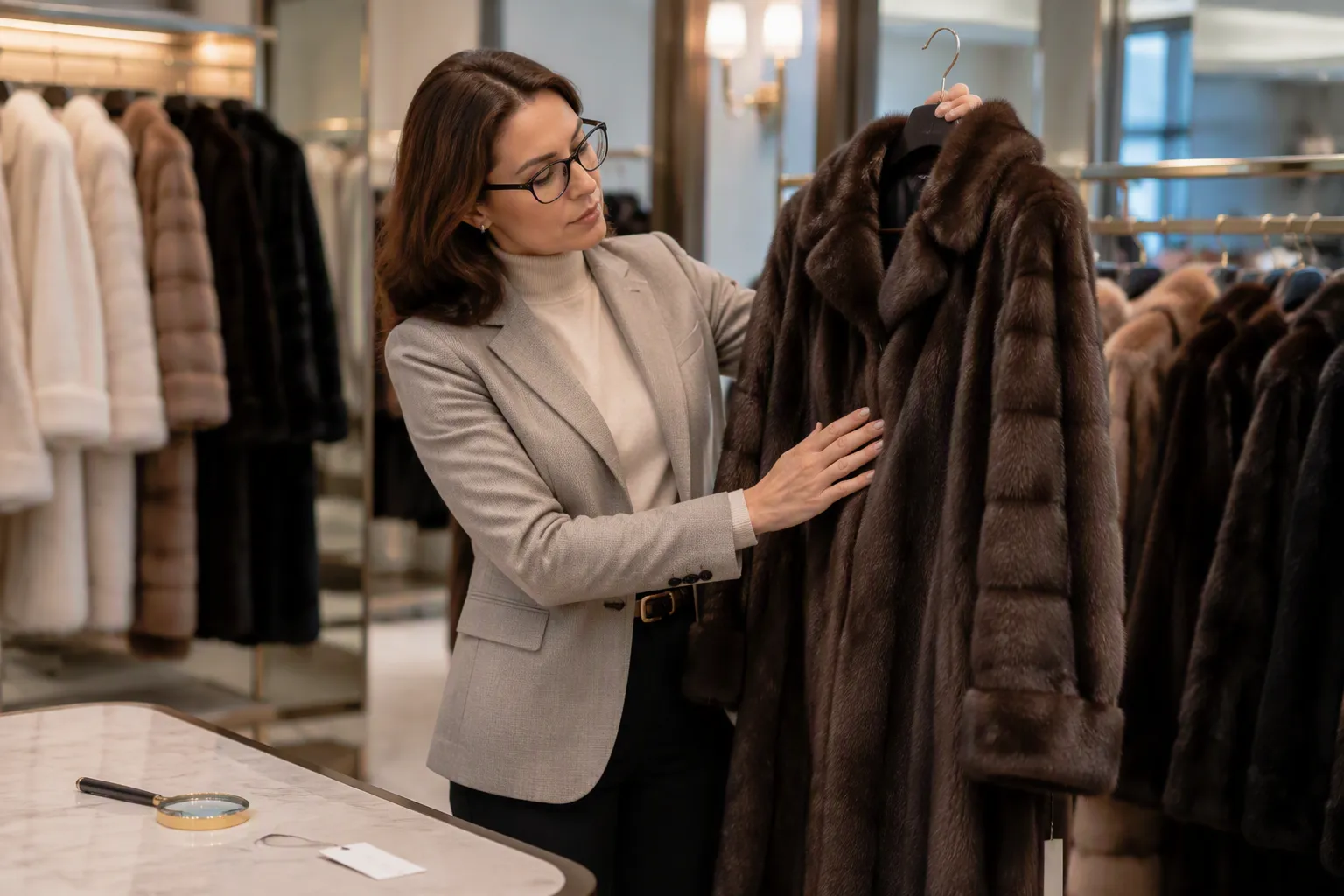
Before you buy a fur coat, look at every part of it. Search for bald spots where fur has gotten thin or fallen out. Check for tears or rips in the fur and the leather backing. Look at the lining for any damage you can see. Strong smells that stay mean there is a problem you cannot fix easily. Fading or dull fur does not look as nice. Fix loose buttons right away. These problems lower the value of any fur piece.
Industry standards help you know how good the pelt is. Dried pelts get grades from Bronze to Platinum. Bronze pelts feel weak, flat, and rough. Silver pelts look full and silky but have weaker underfur. Higher grades mean better underfur and guard hair. Size categories go from small to large based on length from nose to tail. Nap size categories tell about guard hair length, from very short to medium-long. You do not have to remember these grades. But you should ask the seller about them.
For fake fur, check the weight and thickness. Heavier, thicker knits look more like real fur than light ones. Choose clothes made from whole pieces of fur instead of patchwork. Patchwork pieces have seams and wear out unevenly. A good fur garment feels soft and hangs naturally. Run your hand over the surface. The fur should feel even and spring back.
Setting a Realistic Budget
Your budget decides what you can buy. Mink coat prices are different for each type. Basic short jackets cost from $1,500 to $3,000. Standard full-length coats cost $3,000 to $7,000. Designer or luxury brands go from $7,000 to $15,000 or more. Entry-level options start at about $2,000 to $5,000. Mid-range coats are between $3,000 and $6,000. High-end pieces cost $8,000 to $15,000 or more.
Several things affect these costs. The type of fur is most important. The quality of the pelt changes the price a lot. The size of the garment decides how many pelts you need. Processing and workmanship add to the cost. Fur designers charge more for their brand and special designs.
Set a budget that balances these things. Think about the long-term value. A well-made fur jacket can last for decades with good care. A cheaper one may need to be replaced sooner. Think about how often you will wear it. A versatile fur vest or fur stole gives you more wear for your money than a coat you only wear sometimes. Research where to buy fur before you decide. Good sellers stand behind their products. Specialty furriers give expert advice and help after sale. Online stores may have lower prices but fewer guarantees. Compare options from different sellers. Ask about return policies and warranties. Your fur buying guide ends with one clear rule: quality and budget go together. Choose the best quality your budget allows.
You now have a clear path for choosing your next fur piece. Start with color matching against your skin and hair. Then ensure the fit flatters your body type without overwhelming it. Select a style that matches your daily occasions. Finally, assess quality and budget together.
Always try on the garment before purchasing. Check for an even hem and a light feel on your shoulders. Move your arms freely. Trust your reflection in natural light.
Now you are equipped to find the perfect fur coat that makes you feel confident and stylish. Your ideal fur garment awaits. Enjoy the search.
FAQ
How should you store a fur garment during warmer months?
Professional cold storage works best for fur. Keep fur in a cool, dark place. Avoid plastic bags. Use a wide, padded hanger. Never store fur in attics or basements. Moth prevention matters.
How can you tell real fur from faux fur?
Check the backing. Real fur has a leather backing beneath the hairs. Burn a few hairs. Real fur smells like burnt hair. Faux fur smells like plastic. Real fur feels softer than faux fur.
Can a fur coat be altered for a better fit?
Yes, a skilled furrier can resize many fur garments. They can shorten sleeves or the hem. They can take in or let out the sides. Always ask a professional about fur before buying.
What is the best time of year to buy a fur garment?
Summer offers the best prices for fur. Many stores have sales during warmer months. You can find good deals on last season's fur styles. Off-season buying saves money on quality fur.
How do you verify the quality of a fur garment before purchase?
Look for thick, even fur. Check the fur's leather backing for tears. Ask about the pelt grade. Choose a reputable fur seller. Read reviews. Know where to buy furs for trusted options.
See Also
Selecting Premium Long Pile Mongolian Fur Scarves: A Shopper's Guide
Picking Faux Karakul Sheep Fur Material for Crafting Endeavors
Ultimate Guide to Selecting Tricot Velboa Velvet for Clothing and Furniture
Assessing Cut Loop Faux Shearling Fabric Vendors for Wholesale Purchases
Discovering Faux Pony Fur Fabric Online and Quality Selection Advice
