How to Choose Quality Faux Lynx Fur Fabric for DIY Projects

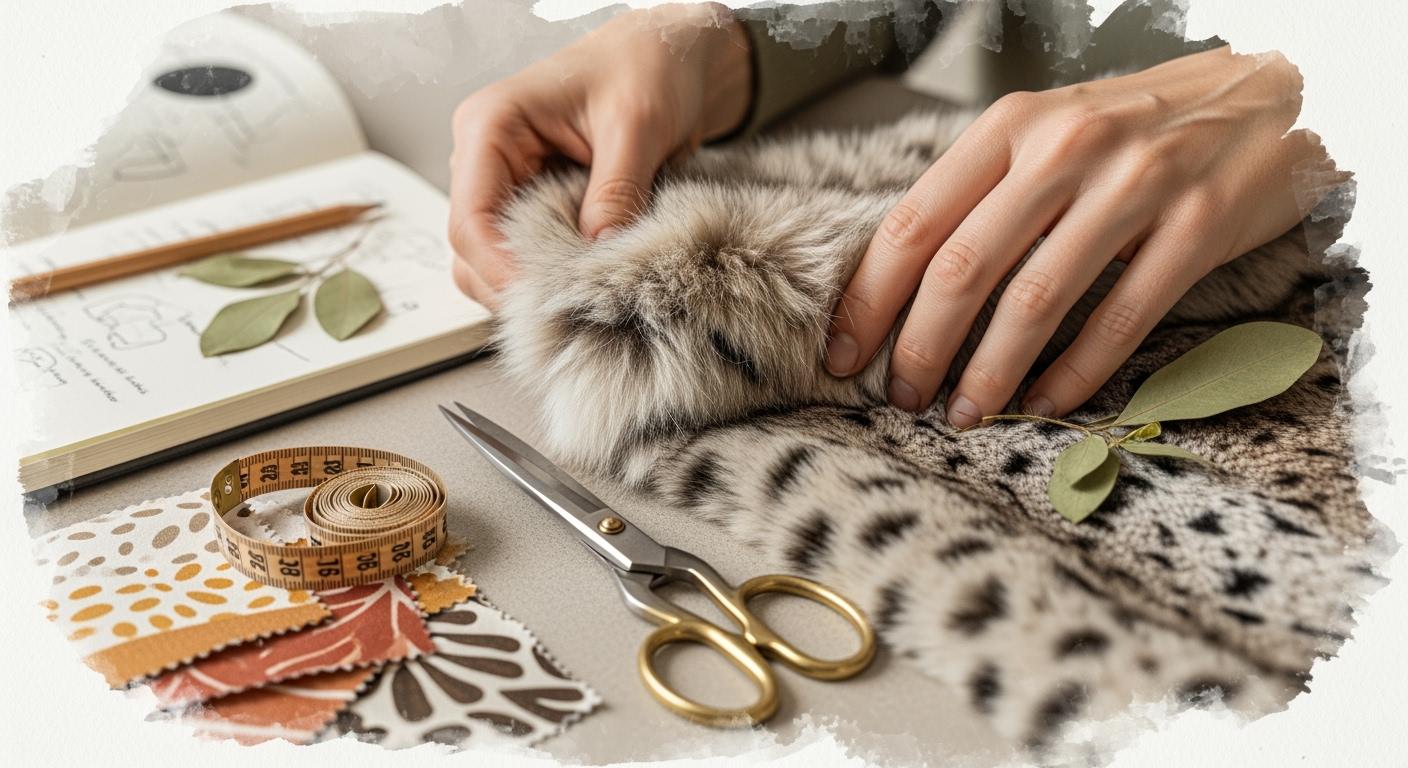
You want your DIY project to stand out, right? The fabric you choose can make or break your results. When you pick faux lynx fur, look for quality that shows in softness, realistic color, and strong backing. High-quality fur feels smooth and keeps its shape. > Good fabric also supports sustainability, lasting longer and reducing waste. If you know what to check, you select the best material with confidence.
Key Takeaways
Pick faux lynx fur that looks real and has nice colors. This will make your DIY project look better. Always feel the fabric to check if it is soft. Soft fur feels nice and looks neat. Look at the back of the fabric. Strong backing makes the fabric last longer. Stay away from fabric that sheds a lot. Pull on the fur gently to see if the fibers stay in place. Ask the seller what the fabric is made of and if it has any safety labels. This helps you pick safe and earth-friendly materials.
Key Features of Faux Lynx Fur
Realistic Look
You want your project to look as close to real lynx fur as possible. The best faux lynx fur stands out because of its lifelike patterns and colors. When you check the fabric, look for these visual traits:
Distinctive patterns that mimic wild lynx
Natural color variations, not just one flat shade
Unique markings, like bold spots mixed with white fur
Stripe effects that add depth
Manufacturers use advanced technology to create synthetic fur that fools the eye. They blend polyester, modacrylic, and acrylic fibers. These fibers get compressed and processed to copy the texture and look of real fur. Today, you can barely tell the difference between genuine fur and synthetic fur. This realistic appearance helps your DIY project shine.
Softness & Texture
Touch matters. You want your faux lynx fur to feel soft and smooth. Quality fabric has a gentle pile that feels nice against your skin. When you run your hand over it, the fur should bounce back and not feel stiff. Softness is a sign of good craftsmanship. If the fur feels rough or scratchy, it might not last long or look as nice.
Tip: Always check the texture before you buy. Soft fur means your project will feel cozy and look polished.
Durability & Backing
Durability keeps your project looking great over time. The backing is the hidden hero. Strong backing holds the pile in place and stops the fur from falling apart. You want a fabric that passes industry tests for strength and color retention. Here are some standards to look for:
Abrasion Testing: Shows how well the fabric resists wear and tear.
Colorfastness Testing: Checks if the fabric keeps its color after washing or sunlight.
Tensile Strength Testing: Measures how much pulling force the fabric can handle.
A tough backing means your faux lynx fur will last longer. This supports sustainability because you won’t need to replace it often. High-quality synthetic fur also keeps its shine and color after washing, so your project stays vibrant.
Shedding & Maintenance
Nobody likes fur that sheds everywhere. You can avoid this problem by picking fabric that’s made to resist shedding. Here’s how you can keep your faux lynx fur in top shape:
Keep your fur dry. Water can damage the fibers and cause shedding.
Air dry your fur if it gets wet. Don’t use heat because it can make shedding worse.
Avoid rubbing against the fur. Bags or rough surfaces can pull out fibers.
Good maintenance means your project stays clean and beautiful. Choosing durable fabric and caring for it helps with sustainability. You waste less and enjoy your creation longer.
Evaluating Faux Lynx Fur
Visual Inspection
Start with your eyes. You can spot a lot about faux lynx fur just by looking closely. Check the color first. Good fabric shows natural shades, not just one flat color. Look for patterns that copy real lynx fur. You want to see spots, stripes, and soft blends. If you notice uneven color or faded spots, the fabric might not last.
Next, check the pile. The pile is the length and thickness of the fur fibers. Run your hand over the surface and watch how the fur moves. Strong pile stands up and bounces back. Weak pile looks flat or patchy. You want even coverage all over the fabric.
Tip: Hold the fabric up to the light. Thin spots or gaps mean lower quality.
Touch Test
Now, use your hands. Touch tells you a lot about quality. Soft fur feels smooth and gentle. If the fabric feels rough or stiff, it may not wear well. Press down on the pile and let go. Good synthetic fur springs back into place. If it stays flat, the fibers might break down fast.
Try this quick test:
Rub the fur between your fingers.
Tug gently on the fibers.
See if any fibers come loose.
If you see a lot of shedding, the fabric may not hold up. You want fur that stays put and feels nice every time you touch it.
Backing Quality
Flip the fabric over. The backing is the base that holds everything together. Strong backing means your project will last longer. Look for a tight, even weave. If you see loose threads or holes, the fabric might fall apart after a few uses.
A good backing keeps the pile in place and helps with sustainability. You won’t need to replace your project as often. This saves money and cuts down on waste.
Note: If you can, bend the fabric. Quality backing should not crack or split.
Fiber Content & Certifications
Check the label or ask the seller about fiber content. Most faux lynx fur uses a mix of polyester, acrylic, or modacrylic fibers. These materials make the fur soft and strong. Some brands use recycled fibers, which helps with sustainability.
Look for certifications. These show that the fabric meets safety and environmental standards. Common certifications include OEKO-TEX and GRS (Global Recycled Standard). Certified fabrics are safer for you and better for the planet.
Ask the seller for proof of certifications. This step helps you choose fabric that matches your values.
When you take time to inspect, touch, and check the details, you pick the best faux lynx fur for your DIY project. You get quality, durability, and a fabric that supports your creative goals.
Where to Buy Faux Lynx Fur
Online Retailers
You can find a wide range of faux lynx fur online. Many websites offer detailed photos and descriptions. Shopping online gives you access to more colors, patterns, and pile lengths. Some popular places to check include:
Fabric specialty stores like Fabric.com or Mood Fabrics
Craft supply giants such as Joann or Michaels
Marketplaces like Etsy for unique or small-batch options
When you shop online, read reviews from other buyers. Look for comments about softness, color, and how the fabric holds up after washing. Many sites also share information about sustainability, so you can choose fabric that matches your values.
Tip: Order a small sample first. This helps you check the quality before you buy a larger piece.
Local Stores
You might want to see and touch the fabric before you buy. Local fabric shops and craft stores often carry faux lynx fur. You can feel the softness, check the color, and inspect the backing in person. This hands-on approach helps you pick the best material for your project.
Ask the staff if they have any eco-friendly or recycled options. Many stores now focus on sustainability and can guide you to the right choice.
Questions for Sellers
Before you buy, ask a few key questions:
What is the fiber content?
Does the fabric shed easily?
Is the backing strong and durable?
Are there any certifications for safety or sustainability?
Sellers who know their products will answer these questions. You get peace of mind and make a smart choice for your DIY project.
Remember: Good questions lead to better results and less waste.
Common Mistakes to Avoid
Overlooking Backing
You might focus on how the fur looks and feels, but the backing matters just as much. If you skip checking the backing, you can run into a lot of problems:
The texture of your project may turn out uneven.
Sewing can become frustrating because weak backing stretches or tears.
Your finished piece might not look as professional as you hoped.
The way the fur moves and sits depends on the backing, so poor backing can ruin your design.
Always flip the fabric over and check for a strong, even base. This step helps you get the best results and supports sustainability because your project will last longer.
Ignoring Shedding
No one wants to find fur everywhere after finishing a project. If you ignore shedding, you could end up with a mess. Shedding means the fibers come loose and fall out. This can make your project look patchy and worn out fast. You should always do a quick tug test before you buy. Gently pull on the fur and see if any fibers come off. If they do, try a different fabric. Less shedding means your project stays neat and supports sustainability by reducing waste.
Choosing by Price Only
It’s tempting to grab the cheapest faux lynx fur you see. Sometimes, low price means low quality. Cheap fabric can feel rough, shed a lot, or have weak backing. You might spend more money fixing mistakes or replacing your project later. Instead, check for even color and a soft texture. These signs show you’re getting good material. Paying a little more up front can save you time and trouble in the long run.
Tip: Think about how your choices affect the planet and your wallet. Good materials last longer and create less waste.
Choosing for Your DIY Project
Pile Length
Pile length changes the look and feel of your project. Short pile works well for small crafts or items that need a neat finish, like pillows or plush toys. Long pile gives a dramatic, wild look. You might use it for costumes, throws, or statement pieces. Think about how much movement you want in your faux lynx fur. Shorter pile is easier to sew and keeps your project tidy. Longer pile adds texture but can be tricky to manage. Match the pile length to your project’s needs for the best results.
Color & Pattern
Color and pattern help your project stand out. Faux lynx fur comes in many shades, from soft creams to bold browns with spots. Pick a color that fits your style or matches your room. Patterns that look like real lynx fur add a touch of nature to your crafts. If you want a classic look, choose natural patterns. For something fun, try unique color blends. Remember, choosing the right color and pattern supports sustainability. You will love your project longer and avoid waste.
Sewing Tips
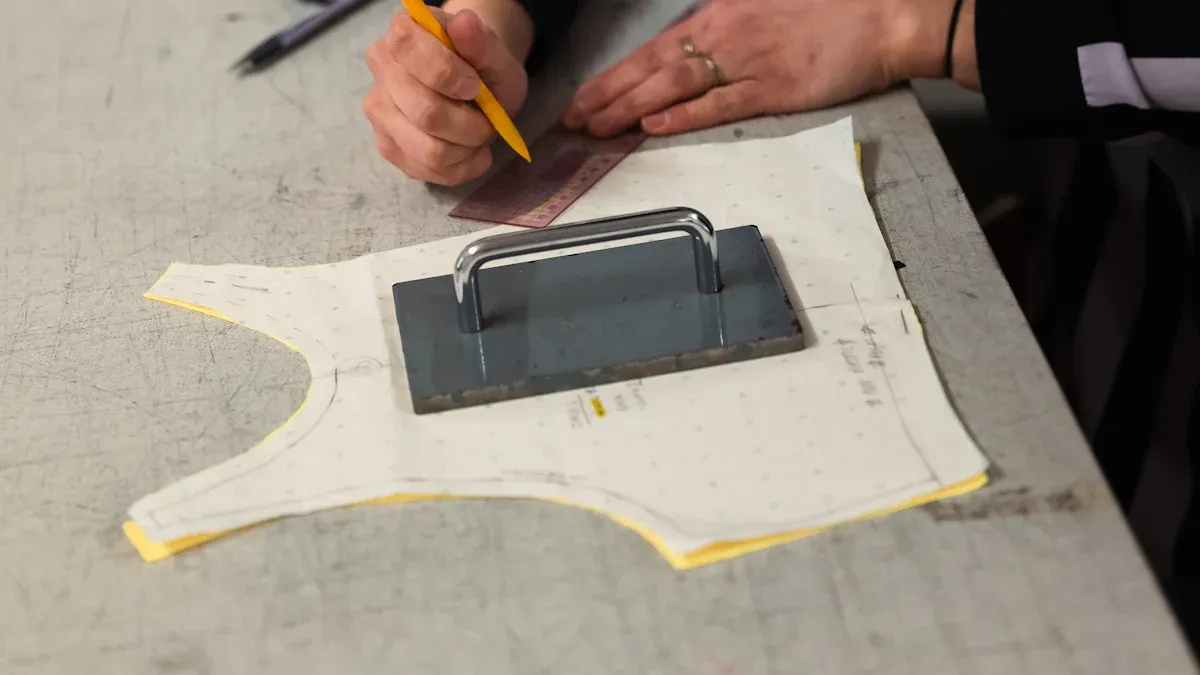
Sewing with faux lynx fur feels different from regular fabric. You want your project to look professional and last a long time. Try these steps:
Mark the direction of the pile on the back of the fabric. Use an arrow so you keep all pieces facing the same way.
Cut the fur with a sharp art-knife or razor blade. Go slow and cut on the inside of your lines to save material and reduce fur loss.
Hold the edges together with quilter’s clips. Use a whip-stitch and waxed thread for strong seams and less tangling.
After sewing, comb the fur along the seam. This step hides stitches and gives a smooth finish.
Tip: Simple patterns work best for faux lynx fur. They use less fabric and help you avoid mistakes. Using the right tools, like a walking foot and stretch needle, makes sewing easier and supports sustainability by reducing waste.
You can pick the best faux lynx fur for your crafts by checking the look, feel, and backing. Ask sellers questions and test the fabric before you buy. Use these tips to make your DIY projects shine.
When you choose quality materials, you feel proud of your work and enjoy every step of the process.
FAQ
How do I stop faux lynx fur from shedding?
You can reduce shedding by gently brushing the fur before you start your project. Use a lint roller to pick up loose fibers. Always wash the fabric by hand and let it air dry.
Can I wash faux lynx fur in a machine?
You should avoid machine washing. Hand wash with cold water and mild soap. Lay the fabric flat to dry. This keeps the fur soft and prevents damage.
What tools work best for cutting faux fur?
Use a sharp craft knife or razor blade. Cut from the back of the fabric. This helps you avoid cutting the pile and keeps the edges neat.
Is faux lynx fur safe for pets and kids?
Most faux lynx fur is safe. Check for certifications like OEKO-TEX. These show the fabric does not have harmful chemicals. Always ask the seller if you are unsure.
See Also
Selecting Ideal Faux Wolf Fur And Long Pile Fabrics
Guidelines for Picking Faux Karakul Sheep Fur Fabrics
Deciding Between Faux Fur And Sherpa For Your Needs
