3 Simple Ways to Pick Soft Artificial Faux Fox Fur Fabric

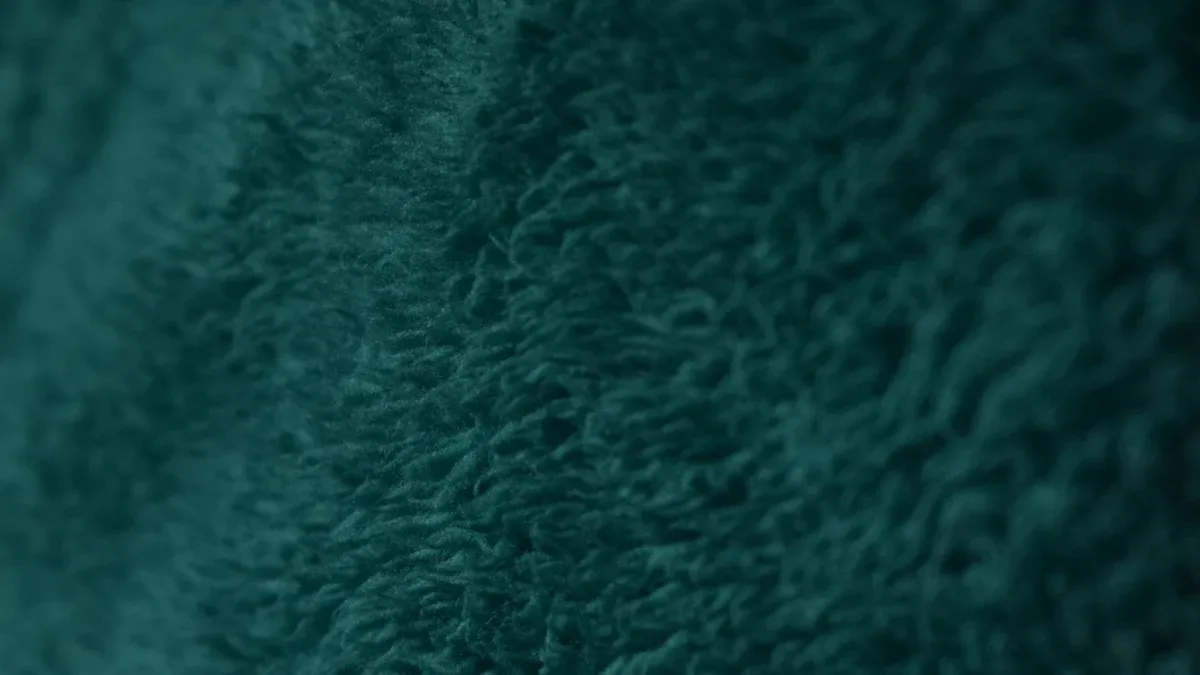
You want soft artificial faux fox fur fabric that feels amazing and looks real. Sometimes, you might feel unsure about how to pick the best material for your project. You can relax! You can avoid common mistakes with a few simple tips. Always check the feel of the soft artificial faux fox fur fabric. Touch matters most. Many people forget to only cut through the backing of soft artificial faux fox fur fabric, not the fur itself. Use a razor blade or scissors for small snips. Here’s a tip: pin the fabric with the fur tucked inside, so it stays neat and doesn’t get caught in stitches. If you want comfort, add a lightweight liner like satin. These tips make working with soft artificial faux fox fur fabric easy. You can trust these tips for your project. Great tips help you get the right soft artificial faux fox fur fabric every time. Try these tips, and see the difference in your artificial fur results.
Key Takeaways
Always feel the softness and texture of faux fur fabric. Rub a small piece between your fingers. Make sure it feels smooth and bends easily for the best touch.
Check how long and thick the pile is. Longer piles make the fabric fluffier. Shorter piles give it more shape. Pick what works best for your project.
Look at the backing and see if it sheds. A strong backing helps the fabric last longer. Less shedding keeps your project looking nice and new.
Pick colors and patterns that fit your sewing project. Natural colors look like real fur. Bright colors make it fun. Test if the color stays before you sew.
Use the right sewing steps for faux fur. Cut from the back side. Mark which way the fur goes. Use a walking foot to sew smooth seams.
Check Softness of Faux Fur Fabric
Test Softness and Texture
You want your faux fur fabric to feel soft and realistic. Start by checking the fiber structure. Grab a small tuft and rub it between your fingers. The best faux fur fabric feels smooth and flexible at the base. If it clumps or separates oddly, you might not get the soft touch you want. Blow gently into the fur. Quality faux fur fabric parts naturally and springs back with a soft bounce. If it stays stiff, it may not be the right choice.
Texture consistency matters. Uniform fiber length, density, and softness help faux fur fabric look and feel like real fur. This consistency gives your project a natural appearance and a comfortable feel. You can also sniff the fabric. Real fur has a musky scent, but faux fur fabric usually smells like plastic or chemicals. If you can, try the burn test. Pluck a single hair and burn it safely. Faux fur fabric melts and smells like burnt plastic.
Tip: Always test the softness in-store if possible. Online, ask for samples or check reviews about the texture.
Assess Pile Length and Density
Pile length and density change how faux fur fabric feels and looks. Long-pile faux fur fabric adds volume and structure. It feels soft and looks fluffy. Shorter pile fabrics work well for defined areas and contrast with longer piles. You need to balance pile length and density for the best softness and structure.
Dense pile means better insulation. Faux fur fabric with heavy pile keeps you warmer, making it ideal for winter garments. Here’s a quick table to help you understand pile density:
Pile Density (oz/yd²) | Description | Impact on Warmth and Insulation |
|---|---|---|
18–24 | Heavy-duty | Higher density means thicker, more resilient fur, enhancing insulation and warmth. |
Faux fur fabric with dense pile feels heavier and offers more warmth. Choose the pile length and density that match your project needs. You get a soft, cozy result every time.
Evaluate Quality and Durability
Inspect Backing and Shedding
You want your project to last. Start by checking the backing of the fabric. A strong, sturdy backing keeps the fur in place and helps the fabric hold its shape. If the backing feels thin or stretches too much, the fur may fall out or the fabric may lose its form.
Shedding is another big thing to watch for. You can test for shedding before you buy. Try these steps:
Rub the fabric with your hand or a cloth.
Look for loose fibers that come off easily.
If you see a lot of fibers, the fabric may not last long.
Frequent shedding can make your project look old fast. It happens when you use, wash, or rub the fabric a lot. Shedding takes away the soft, full look you want. You can help prevent this by washing gently and letting the fabric air dry.
Tip: Always check for shedding in the store. If you shop online, read reviews to see what others say about shedding.
Look for Fiber Strength
Strong fibers mean your faux fur fabric will last longer. Pull a few fibers gently. Good fibers should bend but not break or pull out easily. If the fibers snap or come out, the fabric may not stand up to wear and tear.
High-quality faux fur fabric should feel flexible but not weak. It should bounce back after you squeeze it. This helps your project stay soft and fluffy, even after lots of use. Choose fabric that feels strong and looks full. You will notice the difference in how your finished project holds up over time.
Match Fabric to Sewing Project
Choose Color and Pattern
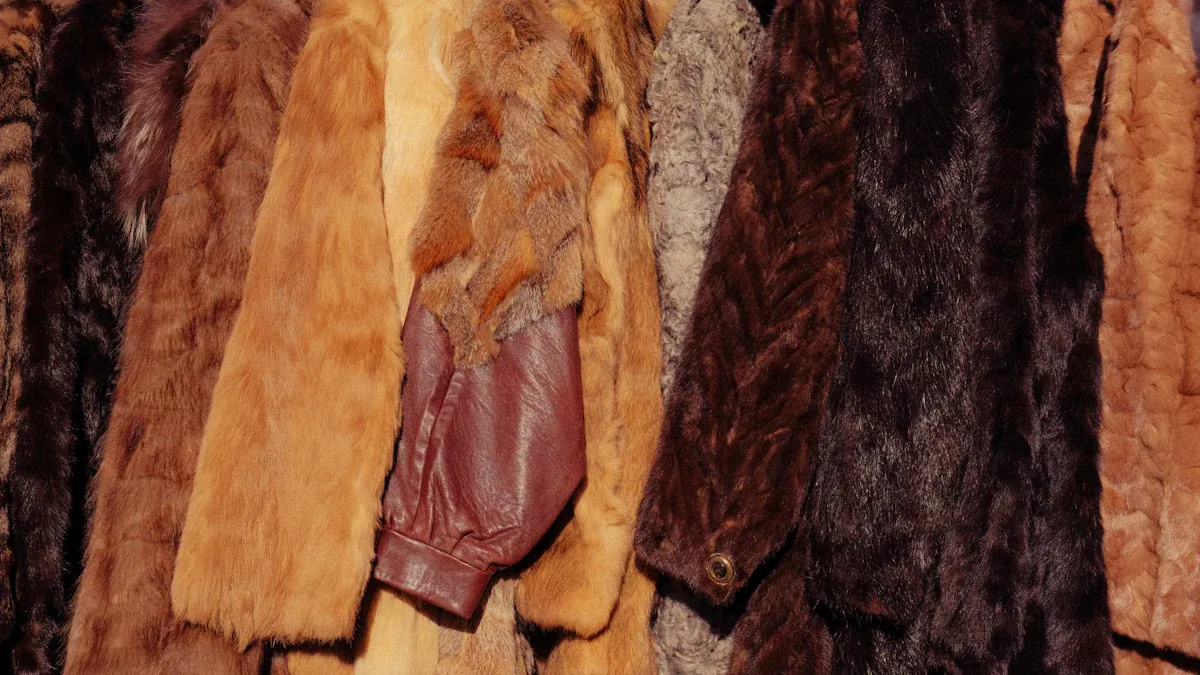
You want your sewing project to stand out. Faux fur fabric comes in many colors and patterns. You can pick solid shades or animal prints like leopard, zebra, or tiger. The color and pattern you choose change the look of your sewing. Natural colors make your project look more like real fur. Bright colors give your sewing a playful or bold style. If you want your sewing to look authentic, stick with earth tones. For fashion-forward sewing, try vibrant hues.
You should also check colorfastness. If the dye fades, your sewing loses its charm. Store your faux fur away from sunlight to keep colors bright. Always test a small piece before you start sewing. This helps you see how the color holds up after washing.
When you plan your sewing, think about the weight of the faux fur. Some fabrics feel thick and plush. Others are sparse and flowy. The texture affects how your sewing drapes. If your sewing needs stretch, check the backing. Some faux fur fabrics stretch, while others stay firm. This matters for sewing garments or accessories.
Tip: Use a table to compare color, pattern, and weight for your sewing project.
Feature | Impact on Sewing Project |
|---|---|
Color | Sets mood and style |
Pattern | Adds realism or boldness |
Weight | Changes drape and comfort |
Faux Fur Sewing Tips
Sewing with faux fur can be tricky. You face challenges like shedding, fraying, and pile damage. You need the right techniques to get the best results. Always mark the nap direction before you cut. This keeps your sewing looking neat. Cut faux fur from the back to avoid damaging the pile. Use a heavier needle and a walking foot for smooth sewing. These tools help you sew thick seams and prevent stretching.
You should avoid hand sewing faux fur. Machine sewing gives stronger seams. When you stitch, adjust the tension for thick faux fur. Lower stitch density in delicate areas to stop fabric distortion. Try the floating technique. Spray temporary adhesive and float the fur on a stabilizer. This keeps your sewing stable.
Gentle brushing helps keep the pile smooth after sewing. Never use fabric conditioner or bleach. Excessive heat shrivels faux fur, so skip tumble drying and ironing. Always handle your sewing gently. If you want more faux fur sewing tips, remember to manage seamlines carefully and use sharp 75/11 needles. These techniques make sewing with faux fur easier and help your project last.
Tip: Mark the nap direction three times—before you cut, before you stitch, and before you finish seams. This keeps your sewing consistent.
You now know three simple ways to pick the best soft artificial faux fox fur fabric. Trust your touch, check for quality, and match the fabric to your project. Many sewists find guides like More Sewing Savvy and The Fashion Designer’s Textile Directory help them feel more confident and happy with their choices. You can do this! Start your next project with excitement and watch your ideas come to life. ✂️🦊
FAQ
How do I keep faux fox fur fabric soft after washing?
You should wash faux fur fabric by hand with cold water. Use a gentle detergent. Let it air dry flat. Brush the fur lightly with a pet brush to keep it fluffy and soft.
Can I iron faux fox fur fabric?
You should not iron faux fur fabric. Heat can melt the fibers and ruin the texture. If you need to remove wrinkles, hang the fabric in a steamy bathroom for a few minutes.
What is the best way to cut faux fur fabric?
Cut from the back side using a razor blade or small scissors. Only cut through the backing, not the fur. This keeps the pile long and natural-looking. Always mark the nap direction before you cut.
Where to buy faux fur fabric that feels soft and looks real?
You can find soft faux fur fabric at local fabric stores, craft shops, or online retailers. Check reviews and ask for samples if possible. This helps you pick the best quality for your project.
Does faux fox fur fabric shed a lot?
High-quality faux fox fur fabric should not shed much. Always test by rubbing the fabric before you buy. If you see lots of loose fibers, try a different brand or store.
